
“Jewellery doesn’t shine to impress — it stays to reassure.”
At first glance, jewellery looks like indulgence. Gold chains. Diamond rings. Polished showrooms. It’s easy to label it as luxury and move on.
But that explanation collapses the moment uncertainty appears. Luxury fades during instability. Jewellery does not.
Jewellery Operates on a Different Economic Logic
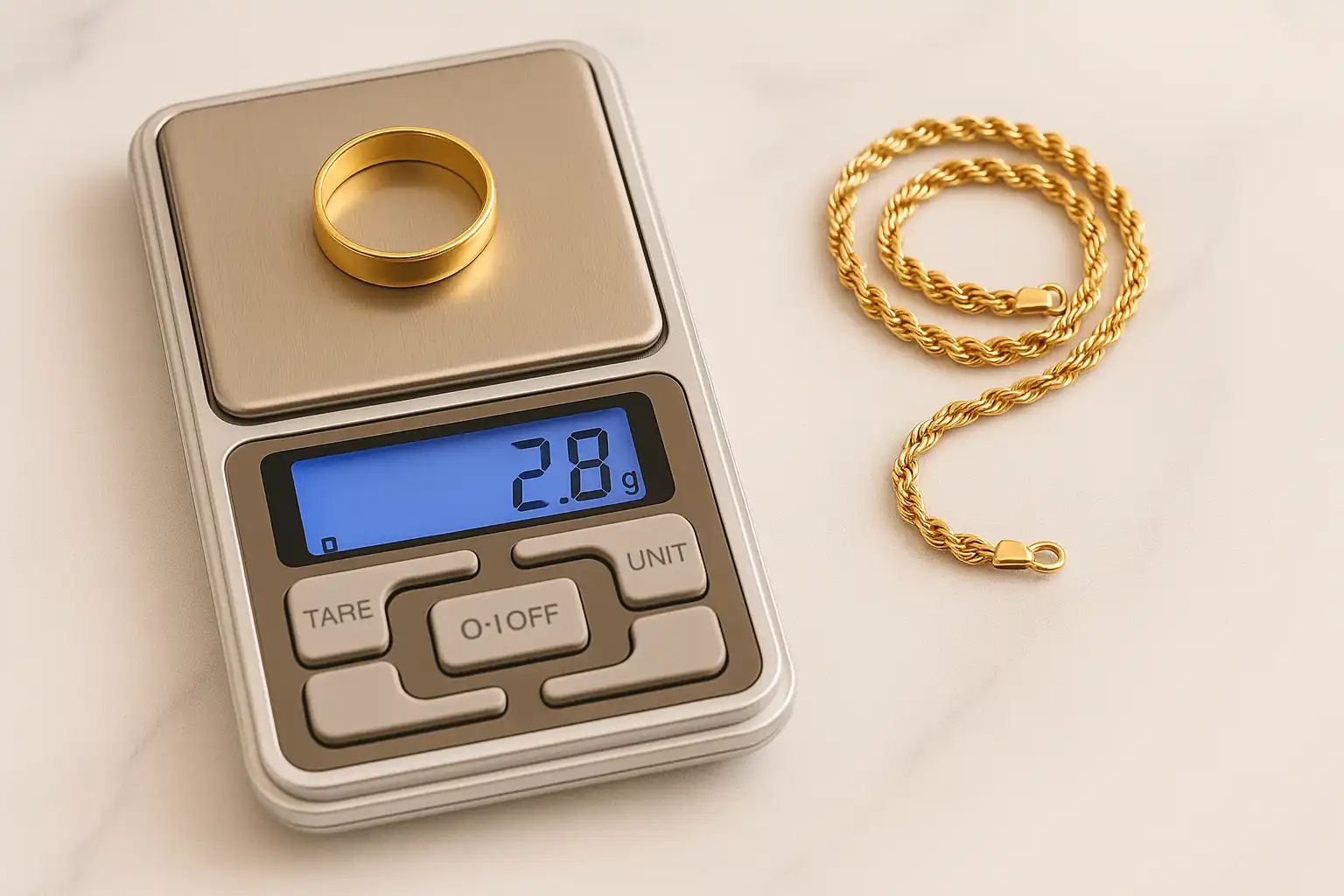
In traditional economics, uncertainty suppresses demand. Jewellery quietly defies that rule.
| Economic Condition | Typical Response | Jewellery Behavior |
|---|---|---|
| High Inflation | Reduced spending | Gold demand rises |
| Currency Weakness | Asset shift | Jewellery stores value |
| Uncertainty | Delay decisions | Emotional buying continues |
Jewellery exists where emotion and economics overlap — a rare and resilient position.
Why Gold Jewellery Still Sells When Money Is Tight
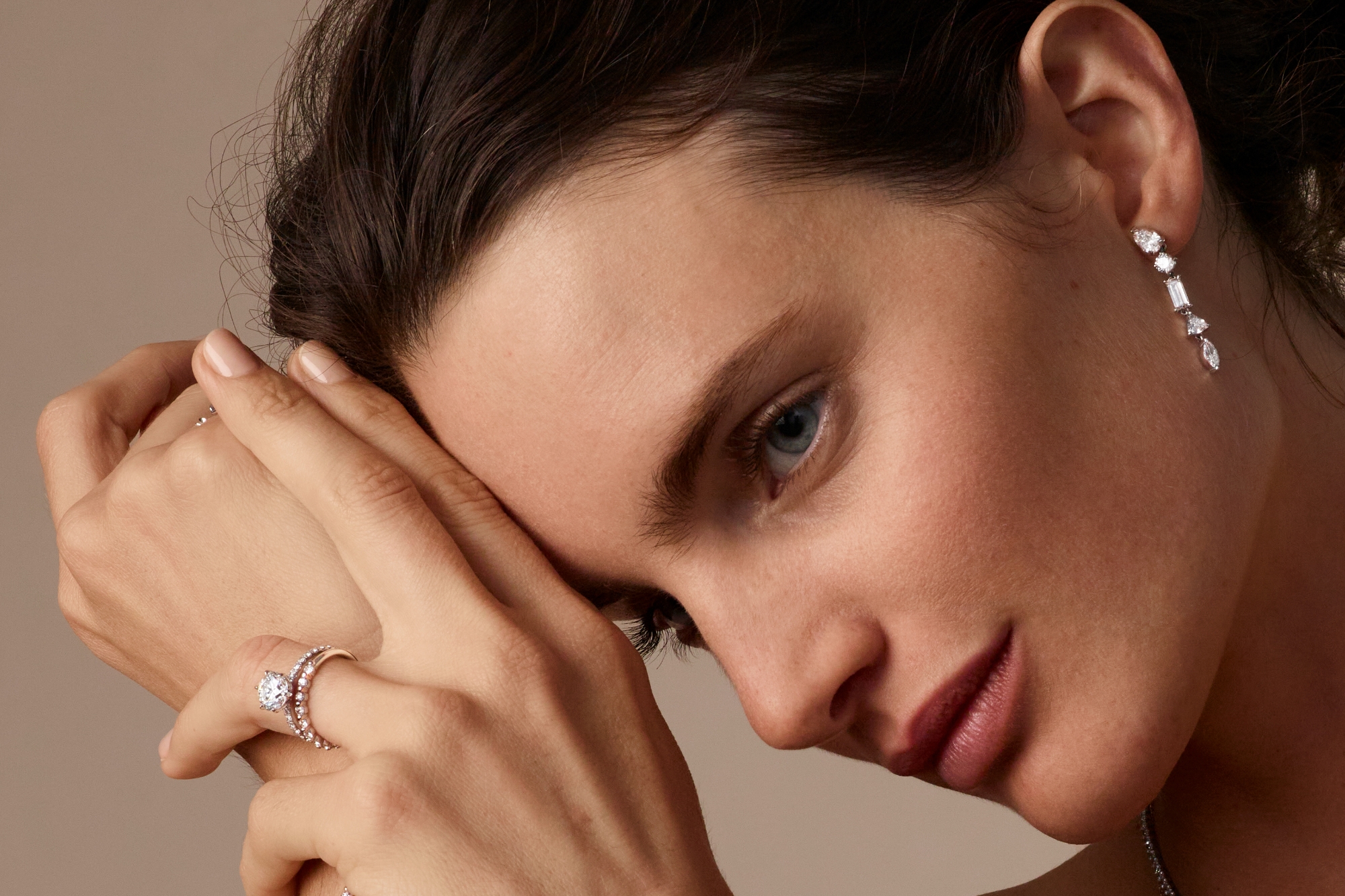
When money tightens, people delay upgrades and experiences. But jewellery remains.
| Expense Category | During Financial Stress |
|---|---|
| Travel | Postponed |
| Electronics | Delayed |
| Gold Jewellery | Still prioritized |
Jewellery is not bought with extra money. It is bought with meaningful money.
Design Attracts — Weight Decides

Design opens attention. Weight builds trust.
Heaviness signals permanence long before price enters the conversation. That physical certainty closes decisions.
Jewellery as Memory Storage
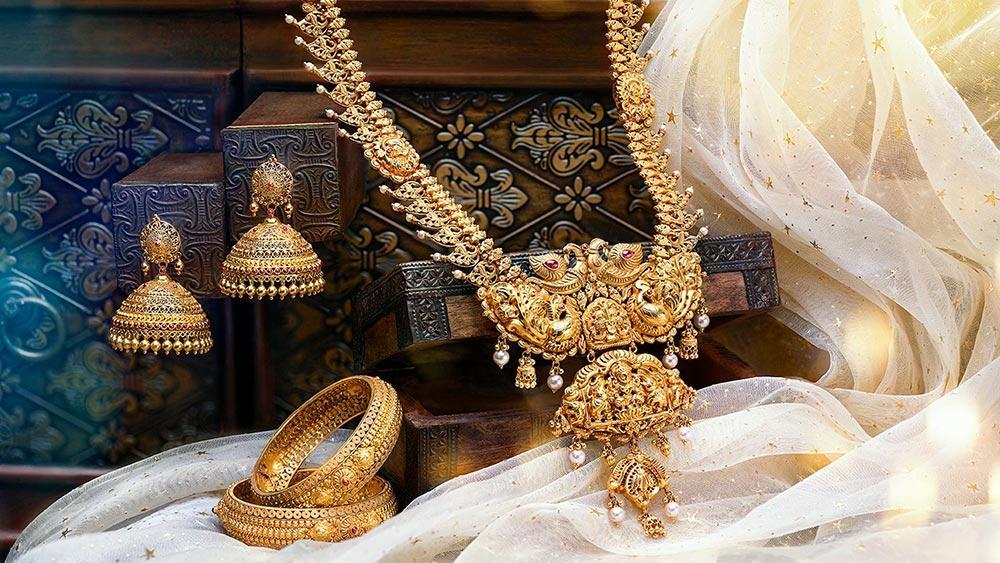
Most products depreciate. Jewellery accumulates meaning.
| Value Type | Measurable? |
|---|---|
| Gold Weight | Yes |
| Market Price | Yes |
| Emotional Memory | No |
The Quiet Strength of an Old Industry
Jewellery does not chase relevance. It waits.
For moments that matter. For certainty during uncertainty.
It is about stability when everything else moves.
An object trusted to remember
when people cannot.