
Your future doesn’t change because you wish harder; it changes the moment you act consistently.

Introduction
Few financial ideas sound as comforting as passive income. The phrase carries a quiet promise — money flowing in while life finally slows down. No daily grind, no constant pressure, no anxiety about next month's expenses. Just income that arrives on its own.
It's an attractive idea, especially for people who have spent years living salary to salary, business to business, or invoice to invoice. Stability feels like freedom when you've lived with uncertainty for long enough.
But here's the uncomfortable question most discussions avoid: If passive income is so effortless, why do individuals, businesses, and even banks work so hard to protect stable cash flows?
Key Insight
Passive income isn't fake — it's misunderstood. The stability it provides comes with hidden costs that are rarely discussed in popular financial content.
What People Usually Mean by Passive Income
In popular conversation, passive income is described as money earned with little or no ongoing effort. Common examples include:
Rental Income
Property rentals after initial purchase
Dividends/Interest
Investment returns from stocks or bonds
Royalties
Creative work income after creation
Business Income
Revenue after systems are established
The underlying belief is simple: front-load effort, then relax.
What's missing from this framing is not intelligence — it's lived experience.
Because income does not become passive by intention. It becomes passive only when uncertainty is absorbed somewhere else — by capital, systems, people, or time.
And absorbing uncertainty is never free.
Stability Is Not Natural — It Is Engineered
In nature, nothing is stable for long. Income behaves the same way.
Stable cash flow exists only when variability is actively controlled:
| Income Type | Visible Effort | Hidden Work |
|---|---|---|
| Rental Property | Finding tenants, collecting rent | Legal compliance, maintenance, vacancy risk management, tax optimization |
| Dividend Stocks | Initial investment, portfolio setup | Company monitoring, economic cycle tracking, sector analysis |
| Online Business | Content creation, product development | SEO updates, platform changes, technical maintenance, customer support |
When income feels smooth, it is because volatility has been pushed out of sight, not eliminated.
This is where the myth begins.
Passive income is not the absence of effort. It is the outsourcing of effort, risk, or attention.
Someone — or something — is always working to keep that income stable.
The Hidden Work Behind "Passive" Income
Let's look at this without romance.
Rental Income
Rental income is often cited as the purest form of passive cash flow. In reality, it demands:
Even when property managers are hired, the owner pays — financially and emotionally — for predictability.
What feels passive month to month is actually pre-paid stability.
Financial Income (Interest, Dividends)
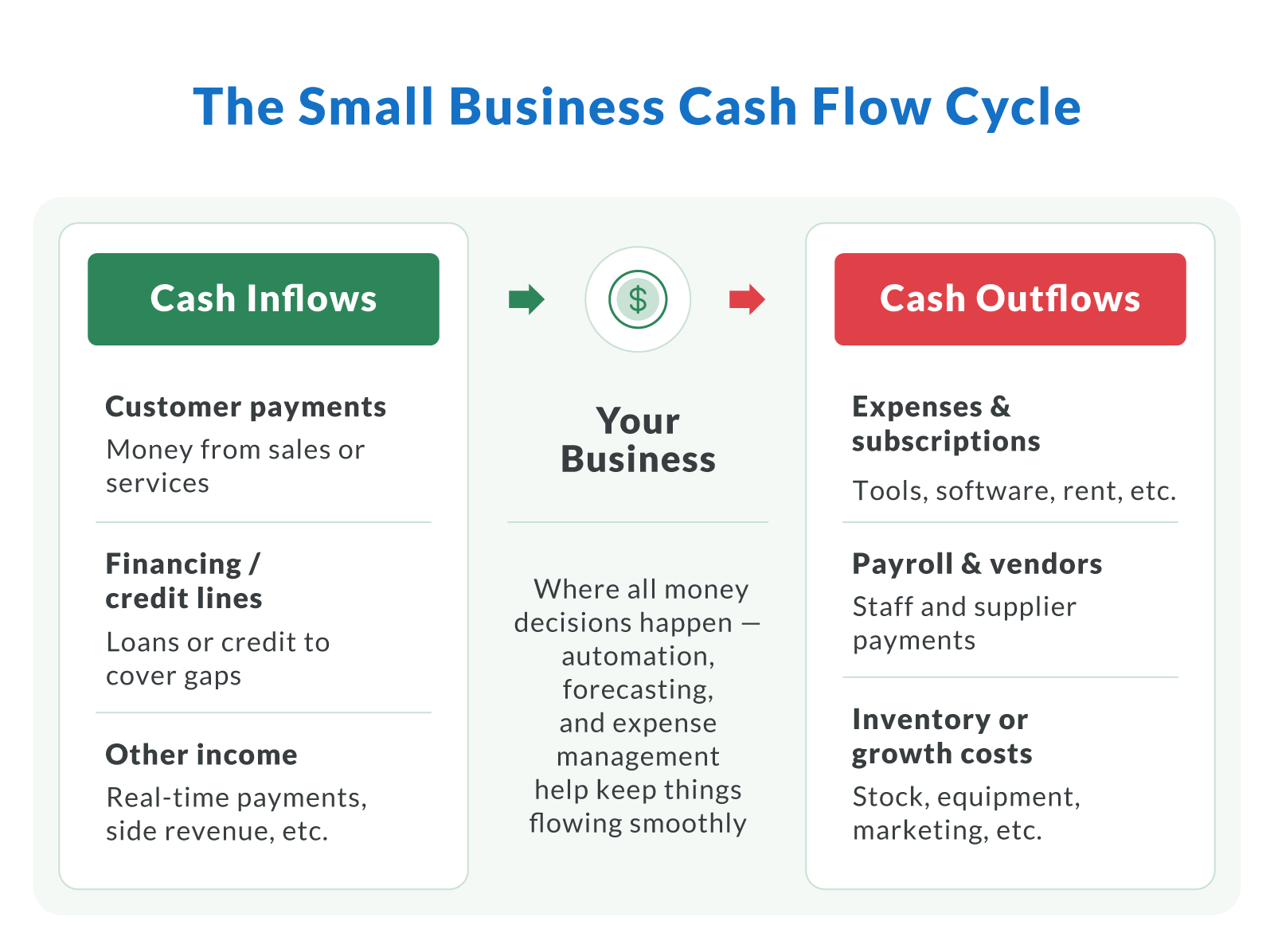
Income from financial instruments looks effortless because:
- The operational complexity is hidden inside institutions
- Cash flows depend on economic cycles, not guarantees
- Stability relies on scale, diversification, and regulation
Small disruptions rarely matter. Big disruptions arrive suddenly.
What appears passive is actually system-dependent income, not effort-free income.
Business Income After Delegation
This is the most misunderstood category.
When a business owner steps back and income continues, it's not because the business became passive. It's because:
Systems Replaced Decisions
Processes must be documented, updated, and protected from entropy. System maintenance requires regular review and adaptation to changing conditions.
People Replaced Presence
Team management requires communication, training, and cultural maintenance. People need leadership, motivation, and clear direction.
Many businesses collapse not from bad ideas, but from the illusion that stability maintains itself.
Why Stability Is Expensive (But Worth Paying For)
Here is the core truth most content avoids:
Stability costs more than growth.
Growth tolerates volatility. Stability does not.
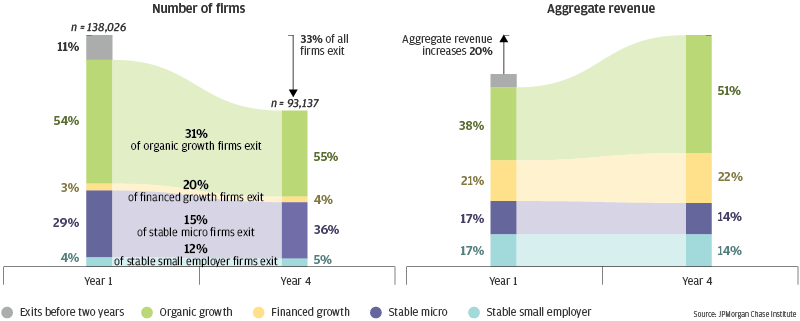
To maintain stable income, you must pay one or more of the following costs:
Lower Returns
Predictability often means accepting smaller gains for reduced risk. Safe assets yield less than volatile ones.
Higher Capital
More resources tied up as insurance against volatility. Capital buffers reduce efficiency but increase stability.
Reduced Liquidity
Assets can't be easily converted to cash without disrupting stability. Long-term commitments reduce flexibility.
Mental Monitoring
Even when systems run smoothly, subconscious oversight continues. Mental energy is spent on monitoring, not creating.
This is why banks, insurers, and large institutions obsess over stable inflows. Not because they are lazy — but because stability is fragile.
They spend heavily to protect it.
The Emotional Appeal of Passive Income
Passive income sells not because it's easy — but because it promises emotional relief.
It speaks to people who want:
There is nothing wrong with this desire.
The mistake is assuming emotional relief comes without structural discipline.
Stability reduces stress only when its foundations are respected.
When people chase passive income without understanding its mechanics, disappointment follows — not because the idea failed, but because expectations were unrealistic.
Why Truly Passive Income Is Rare
Reality Check
If passive income were easy and durable, salaries would disappear, businesses would stop reinvesting, and institutions wouldn't compete aggressively for stable deposits.
The reality is simpler.
Stable income is rare because:
Interest rates, regulations, and market dynamics evolve. What works today may not work tomorrow as economic cycles shift and new policies emerge.
Tenants, customers, and employees have changing needs and expectations. People's priorities shift, relationships evolve, and loyalty cannot be assumed.
Maintenance, taxes, and compliance expenses increase. Inflation erodes purchasing power, and regulatory requirements become more complex.
Stability exists in windows, not forever.
The people who benefit long-term are not those who found "perfect" passive income, but those who continually adapt to protect it.
Stability vs Freedom: The Quiet Trade-Off
Another truth rarely discussed:
Stability reduces certain freedoms.
| Stability Requires | Freedom Requires |
|---|---|
| Commitment to specific assets/systems | Flexibility to pivot quickly when opportunities arise |
| Reduced ability to exit quickly | Liquidity and optionality to change direction |
| Acceptance of lower upside potential | Tolerance for higher volatility and uncertainty |
| Regular maintenance and oversight | Ability to walk away temporarily without consequences |
Freedom and flexibility are volatile by nature. Stability smooths volatility — at a price.
Understanding this trade-off prevents regret.
People don't fail financially because they choose stability. They struggle because they expect stability to behave like freedom.
A More Honest Mental Model
Instead of asking:
"How can I build passive income?"
A more useful question is:
"What kind of instability am I willing to manage?"
Self-Assessment Questions
- Am I prepared to handle vacancy periods in rental properties?
- Can I tolerate stock market downturns affecting dividends?
- Am I willing to manage people or pay for management services?
- Do I have capital reserves for unexpected maintenance or repairs?
- Can I accept lower returns in exchange for predictability?
- Am I comfortable with reduced liquidity in my assets?
Every income stream carries instability — operational, emotional, or financial.
Passive income simply shifts where that instability lives.
Once you see this clearly, financial decisions become calmer, not noisier.
Conclusion
Passive income is not a myth because it doesn't exist. It's a myth because it's often described without its true cost.
Stability is not free. It is built, defended, and maintained — quietly, consistently, and often invisibly. Those who understand this don't chase income streams blindly. They respect the trade-offs involved.
When you stop romanticising passive income, you gain something more valuable than ease — clarity.
And clarity is what allows people to live with their financial choices without resentment, disappointment, or false hope.
Disclaimer
This article is for educational and informational purposes only. It does not constitute financial advice, investment recommendation, or solicitation of any kind. Readers should evaluate financial decisions independently based on their personal circumstances and consult with qualified professionals where appropriate. Past performance is not indicative of future results.
