
Recession: What It Means for Middle-Class Investors
Why it hits close to home
A recession is one of those words that instantly triggers anxiety. News channels flash red tickers. Social media predicts doom. Markets swing wildly. Conversations shift from “where should I invest?” to “should I pull everything out?”
If you're a middle-class investor — earning a salary, managing EMIs, raising a family, and trying to build long-term wealth — a recession feels personal. It threatens job stability, investment returns, and future plans.
But here’s the hard truth: Most middle-class investors don’t lose money because of recession. They lose money because of emotional decisions during recession.


What Is a Recession (In Simple Terms)?
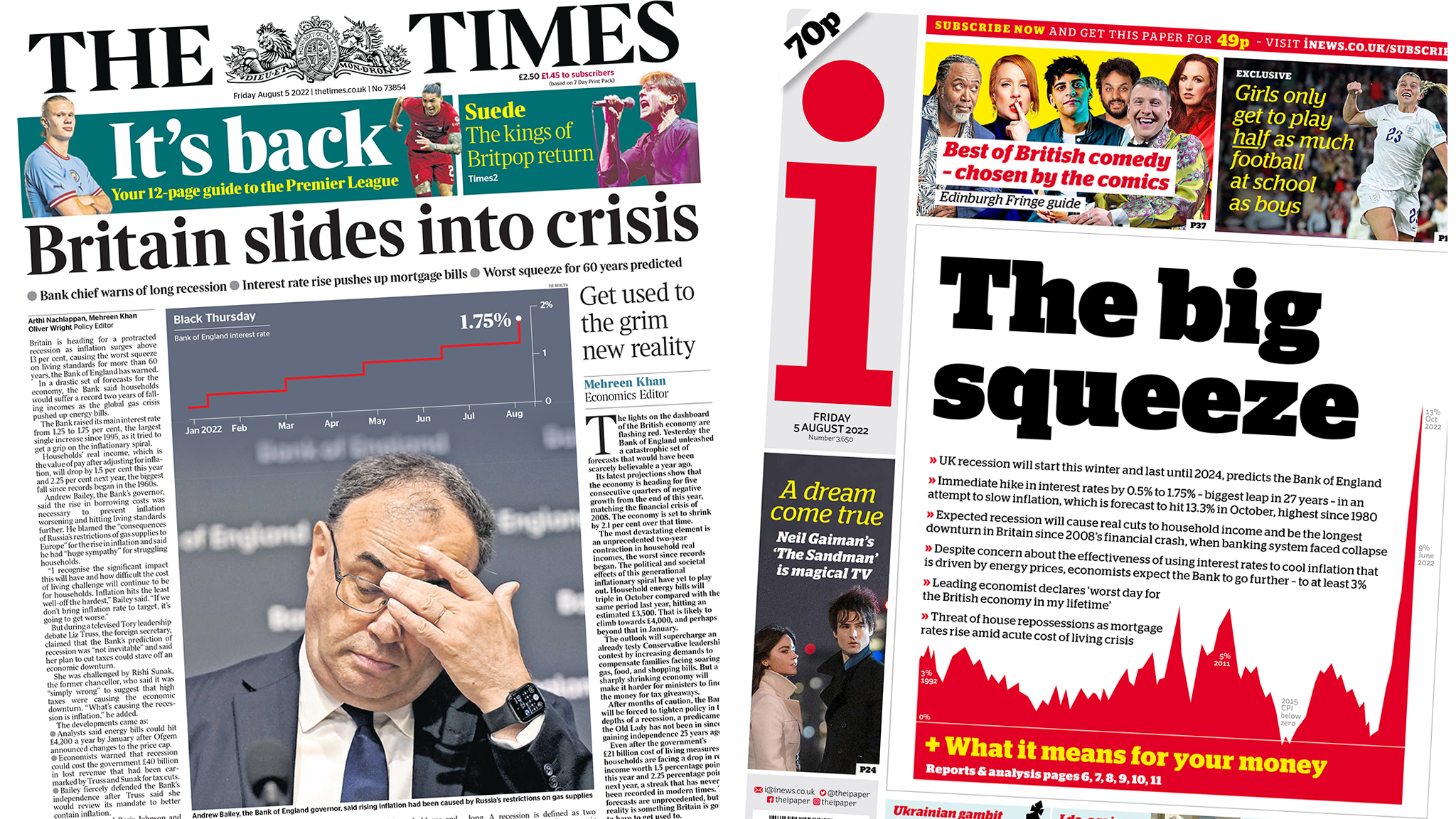
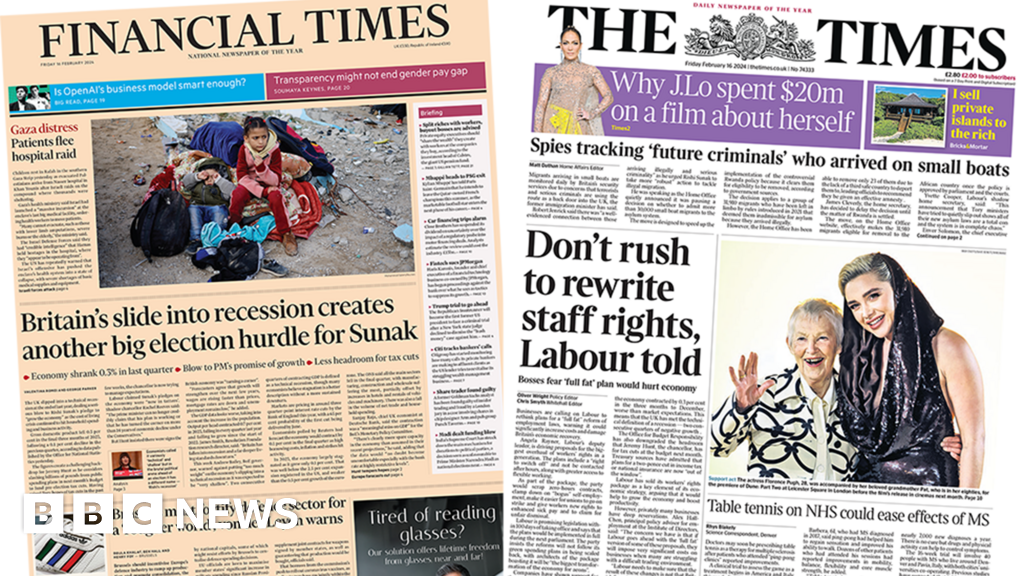
Technically, a recession is when economic activity declines for a sustained period — typically measured as two consecutive quarters of negative GDP growth. But definitions don’t matter as much as impact. During a recession, businesses earn less, companies cut costs, hiring slows or stops, layoffs increase, consumer spending falls, stock markets decline.
In India, the term gained heavy attention during the 2020 slowdown. But recessions are not permanent. They are part of the economic cycle: Expansion → Peak → Recession → Recovery → Expansion again.
Why Middle-Class Investors Feel It the Most
Middle-class families often have limited emergency savings, depend heavily on salary income, carry EMIs, invest mostly through SIPs, and have long-term goals like children’s education and retirement. When markets fall 20–30% and layoff news spreads, it creates psychological pressure. But panic is expensive.


How Recession Affects Different Investments
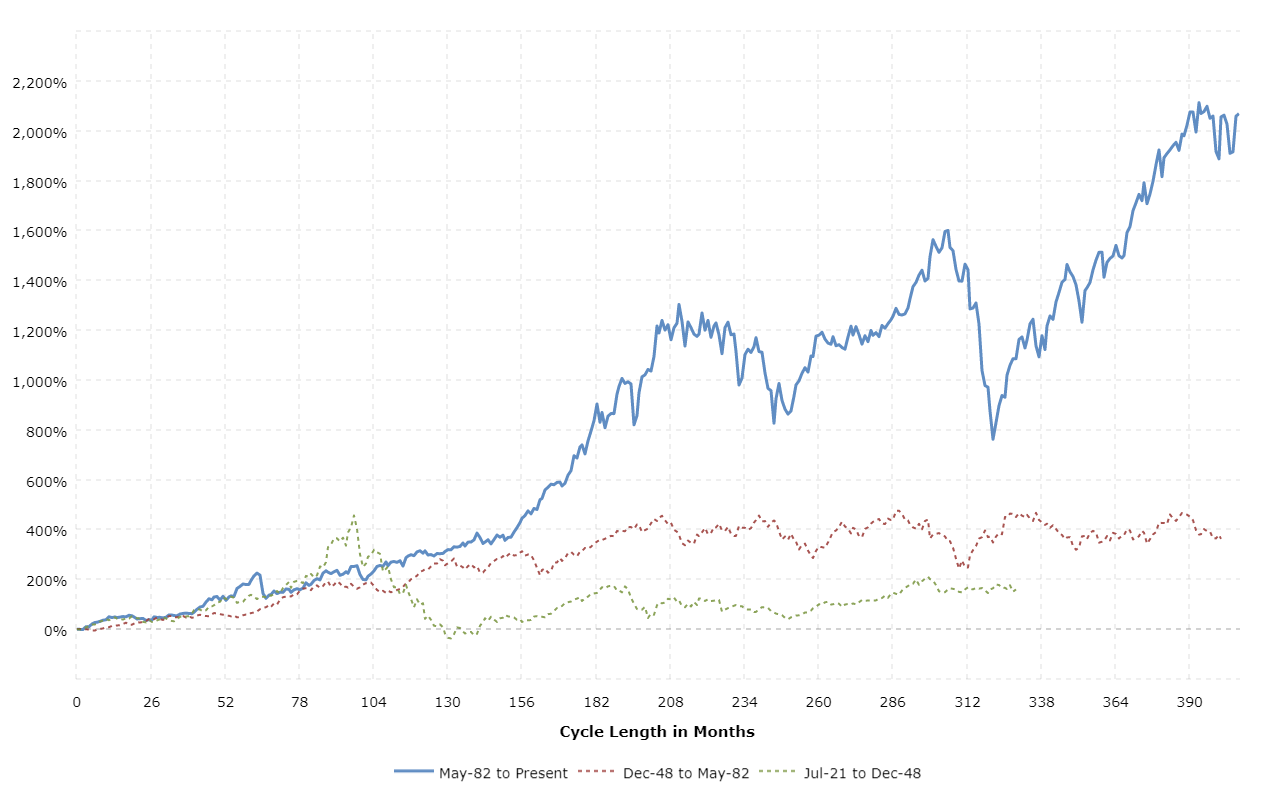
Stock Market: In recession, stock prices fall, volatility increases. Your portfolio may drop 15–40%. But markets fall BEFORE the economy recovers — and they start rising BEFORE good news returns.
Mutual Funds & SIP: NAV drops. Your portfolio looks red. But your SIP buys more units at lower prices. Stopping SIP during downturn is like quitting the gym after one week of soreness.
Fixed Deposits & Debt: FDs feel safe, interest rates may fall or rise, but wealth growth is slow. Middle-class mistake: shifting 100% money to FD out of fear.
Real Estate: Recession often slows property sales, reduces liquidity. If you’re buying for personal use, fine. Speculation? recession exposes weak decisions.
The Real Risk: Job Loss, Not Market Loss
If you have a stable job, 6–12 months emergency fund, and long-term horizon, a market crash is not your biggest risk. Losing your income is. Middle-class strategy should focus on strengthening income security, upskilling, maintaining liquidity, continuing disciplined investing.
Psychological Traps Middle-Class Investors Fall Into
- Selling at the bottom – Fear pushes people to exit when markets are lowest.
- Stopping SIP – They stop investing when prices are attractive.
- Listening to panic news – TV thrives on fear, not rational planning.
- Going all-in on “safe” assets – Too much safety kills long-term growth.
What Smart Middle-Class Investors Do During Recession
- ✅ Build a strong emergency fund (6–12 months expenses).
- ✅ Continue SIP if income is stable (markets on discount).
- ✅ Avoid unnecessary EMIs – reduce leverage before recession hits.
- ✅ Increase skill value – high-value skills survive uncertainty.
- ✅ Rebalance portfolio gradually if equity allocation drifts.
Practical 5-Step Recession Survival Plan
- Calculate monthly essential expenses.
- Build or strengthen emergency fund.
- Review insurance (health + term).
- Continue long-term SIP.
- Avoid emotional financial decisions.
📚 resources & trustworthy websites
Final Thoughts – Stay rational
A recession is not your enemy. Unpreparedness is. Middle-class investors don’t need perfect timing, they need stability, patience, discipline, and long-term thinking. Recession tests character more than intelligence. And wealth is built by those who stay rational when others panic.
