
🔹 SEBI’s new closing auction (CAS)
How 2026 price discovery shifts markets
📌 Why closing price matters more than you think
The closing price isn’t “just another number” — it drives index calculation (Nifty, Sensex), mutual fund NAV, F&O settlement, and institutional benchmarking. In 2026, SEBI replaces the old VWAP-of-last-30-minutes with a structured Closing Auction Session (CAS). This is market microstructure evolution, and professionals pay attention.

⚙️ How the closing auction session works
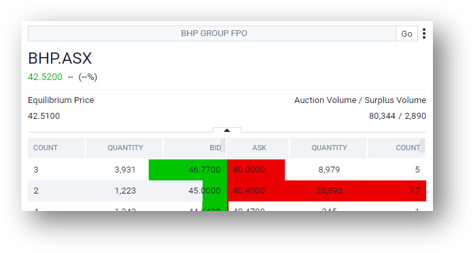
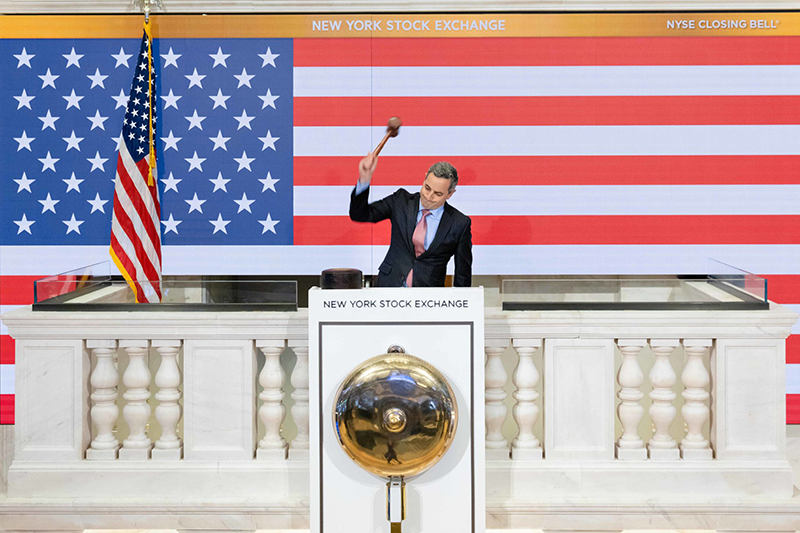
Instead of a volume-weighted average of the last half hour, the exchange now conducts a short auction window. Orders are collected, then matched at a single equilibrium price — that becomes the official close. This is similar to NYSE/NASDAQ closing auctions.
- Order collection period: traders place bids/offers, no immediate match
- Price discovery: exchange finds price with maximum executable quantity
- Equilibrium print: all matched trades settle at that single price
📉 Impact on intraday & derivative traders
Intraday strategies relying on 3:15–3:30 momentum will shift — the closing price might differ from 3:29 pm last trade. For F&O traders, expiry settlement becomes auction‑based, reducing manipulation but requiring new observation patterns.
💡 2026 edge: Watch order imbalance data during the auction. If buy imbalance dominates, closing price may gap above last traded price — and vice versa.
🏦 Index funds, ETFs & institutional lens
Indices like Nifty 50 depend on accurate closing prints. A robust auction improves tracking accuracy and lowers ETF tracking error. Large participants (mutual funds, FIIs) favour auction closes because they reduce impact cost.
🧠 Will volatility increase? (short vs long term)
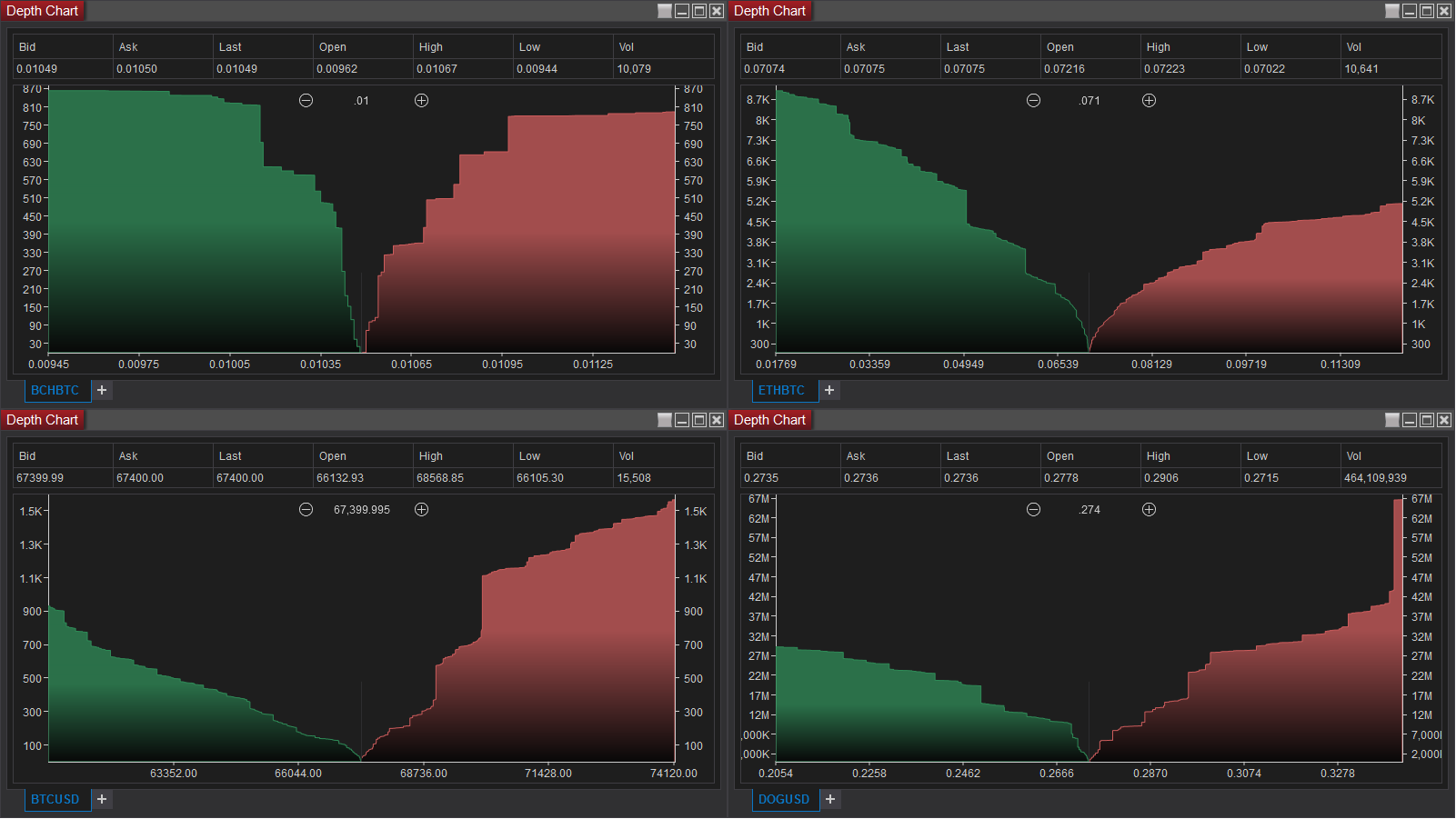
Initially, traders may face learning‑curve volatility. But structurally, artificial closing spikes should reduce. However, if large imbalances occur, expect sharp closing swings. Smart participants will study indicative equilibrium prices during the collection phase.
🛠️ Strategic adjustments for 2026
To stay ahead: (1) analyse auction order book behaviour, (2) adapt backtesting models (historical VWAP closes won’t replicate CAS), (3) track expiry day reactions for at least two months before sizing positions.
🌍 Why SEBI is making this shift
Aligning with global best practices (US, Europe), improving transparency, reducing closing price manipulation. As Indian markets mature, microstructure must evolve. This isn’t a cosmetic change — it’s structural.
📌 Final take
The shift from VWAP-based closing to Closing Auction Session (CAS) is not cosmetic. It changes: How prices are finalized How indices settle How derivatives calculate value How institutional money executes If you're serious about trading or investing in 2026 and beyond, you must understand market mechanics — not just stock tips. Structure creates opportunity. And whenever structure changes — smart traders study it first.
