
Index Investing vs Stock Picking: A Data-Based Comparison for Serious Wealth Builders (India 2026 Guide)
If you’re investing in the Indian stock market, you eventually face this decision:
Should you buy the index — or try to beat it?
This isn’t a debate about ego.
It’s a debate about mathematics, probability, discipline, and long-term wealth creation.
In this in-depth guide, we’ll break down Index Investing vs Stock Picking using data logic, tax efficiency, behavioral finance, and realistic investor outcomes — especially in the Indian context.
By the end, you won’t just know the difference.
You’ll know which strategy fits your identity.
📌 What Is Index Investing?

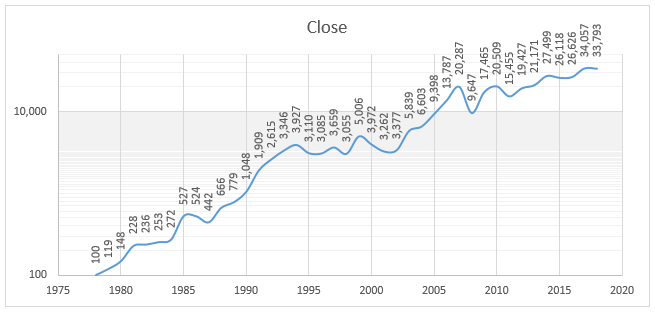
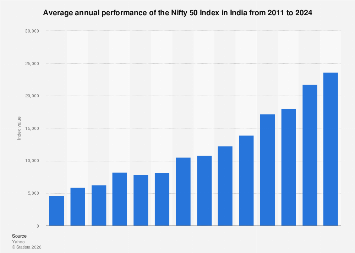
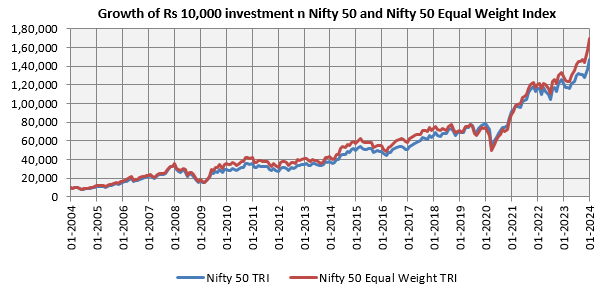
Index investing means putting your money into funds that replicate a market index such as:
- Nifty 50
- BSE Sensex
Instead of selecting individual stocks, you buy the entire basket through:
- Index mutual funds
- ETFs (Exchange Traded Funds)
🎯 Core Philosophy:
You don’t try to beat the market.
You become the market.
Historically, Indian benchmark indices have delivered roughly 11–14% CAGR over long periods (with cycles, volatility, and corrections included).
The power lies in:
- Diversification
- Low cost
- Minimal decision fatigue
- Long-term compounding
🔍 What Is Stock Picking?

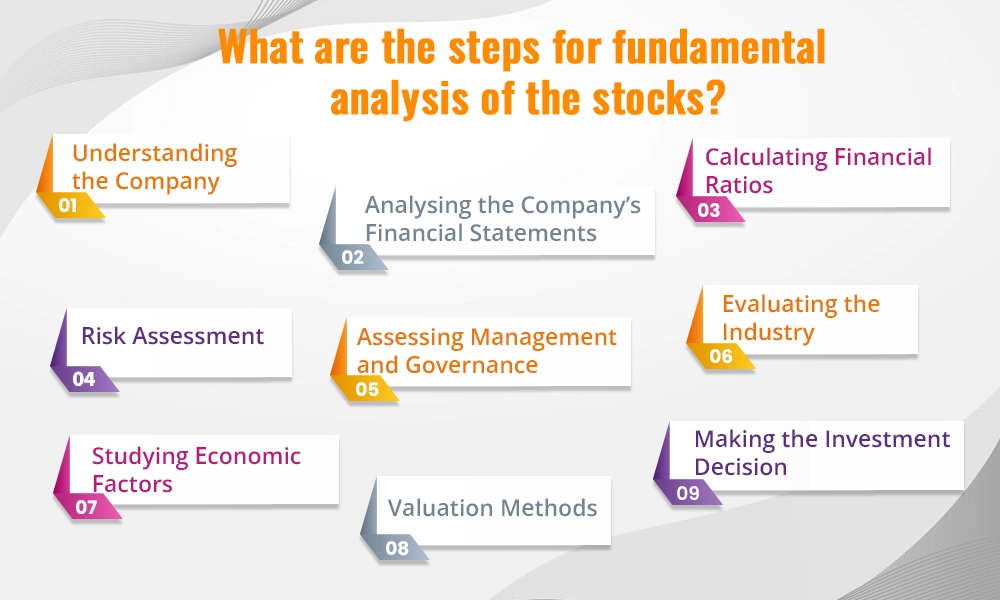
Stock picking means selecting individual companies based on:
- Fundamental analysis
- Technical analysis
- Sector trends
- Valuation metrics
- Earnings growth expectations
The goal is simple: Outperform the index.
If the index delivers 12%, you aim for 18–25%.
But here’s the uncomfortable reality:
Outperformance sounds easy in theory.
In practice, it is statistically rare and behaviorally difficult.
📊 Data-Based Reality: What Actually Happens?
Let’s break this down logically.
1️⃣ Performance Distribution
In most global markets (including India), a small percentage of stocks create the majority of returns.
For example:
- A few multibagger stocks drive index growth.
- Many stocks underperform or stay flat.
- Some destroy capital.
If you miss the top-performing stocks, your portfolio underperforms the index.
Index investing guarantees exposure to winners automatically.
Stock picking requires:
- Identifying winners early
- Holding through volatility
- Avoiding emotional selling
Most retail investors fail at step two.
2️⃣ Probability Advantage
Index investing:
- Probability of matching market return = High
- Probability of underperforming drastically = Low
Stock picking:
- Probability of beating market consistently for 10+ years = Low
- Probability of underperforming = High
Ask yourself honestly:
Are you statistically above average?
Because stock picking assumes you are.
3️⃣ Cost & Tax Efficiency (India Perspective)
Index Investing Advantages:
- Lower expense ratio
- Lower churn
- Lower brokerage
- Fewer STCG triggers
- Better LTCG optimization
Frequent stock picking often leads to:
- Higher STCG (15%)
- Emotional trades
- Repeated taxation
- Reduced compounding base
Wealth creation isn’t about gross return.
It’s about post-tax, post-cost return.
🧠 Behavioral Finance: The Silent Factor
Let’s talk psychology.
🧘 Index Investors:
- Fewer decisions
- Less monitoring
- Lower stress
- Fewer emotional mistakes
📈 Stock Pickers:
- Constant news tracking
- Earnings anxiety
- Market noise exposure
- Fear of missing out
- Ego attachment to stocks
Behavior destroys more portfolios than bad analysis.
Most retail investors don’t lose because of lack of knowledge.
They lose because of lack of discipline.
⚖️ Risk & Volatility Comparison
🧩 Index Investing:
- Diversified across sectors
- Lower company-specific risk
- Survives corporate frauds
- Survives management failure
🎲 Stock Picking:
- Concentration risk
- Business model risk
- Management risk
- Sector collapse risk
One wrong large allocation can erase years of gains.
Ask yourself: Are you managing risk professionally — or emotionally?
⏳ Long-Term Compounding Example (10-Year Scenario)
Let’s compare two hypothetical investors:
Investor A – Index Investor
• CAGR: 12%
• Low churn
• Optimized LTCG
• Compounds uninterrupted
₹10 lakh → ~₹31 lakh in 10 years
Investor B – Active Stock Picker
• Gross CAGR: 16%
• But frequent churn
• STCG impact
• Brokerage impact
• Mistimed entries/exits
Effective CAGR after costs: ~13–14%
Result difference? Marginal — despite much higher effort.
Effort ≠ Wealth.
Efficiency = Wealth.
✅ When Stock Picking Makes Sense
Let’s be fair.
Stock picking is powerful if:
- You have analytical skill
- You study balance sheets
- You understand valuation deeply
- You control emotions
- You follow position sizing rules
- You think in 5–10 year horizons
Serious long-term concentrated investors have created enormous wealth. But they treat investing like a profession — not entertainment.
⏰ The Hidden Advantage of Index Investing
Time freedom.
If your portfolio requires:
- Daily tracking
- News alerts
- Earnings reaction
- Sector rotation
You are mentally employed.
Index investing allows:
- Focus on career
- Focus on business
- Focus on skill growth
Your income growth + passive compounding = exponential wealth.
🇮🇳 Indian Market Context (2026 and Beyond)
Retail participation in India is rising rapidly.
More F&O trading. More short-term speculation. More noise.
In high-noise environments:
- Overconfidence rises
- Risk management drops
- Capital destruction increases
Index investing becomes a stability anchor. Especially for:
- Salaried professionals
- Business owners
- First-generation investors
⚙️ The Hybrid Model (Most Intelligent Approach)
This is where mature investors operate.
70–80% Core Allocation
- Index funds, long-term compounding base
20–30% Satellite Allocation
- High-conviction stock picks, tactical sector plays, thematic opportunities
This structure: protects wealth, allows alpha attempt, controls downside, maintains discipline. It also reduces ego risk.
❓ The Real Question You Must Answer
Index investing vs stock picking is not about strategy. It’s about identity.
Are you:
- A wealth builder?
- A market analyst?
- A disciplined allocator?
- Or a thrill seeker?
Be brutally honest.
If you cannot outperform index for 5 consecutive years — Switch to index core model.
Data wins over ego.
📌 SEO Summary (Key Takeaways)
- Index investing offers diversification and low-cost exposure to indices like Nifty 50.
- Stock picking offers potential higher returns but lower probability of consistent outperformance.
- Tax efficiency significantly impacts long-term wealth.
- Behavioral discipline determines success more than intelligence.
- Hybrid strategy balances stability and alpha generation.
🏁 Final Verdict: Which Is Better?
For 80% of investors:
Index investing is superior for long-term wealth creation in India.
For 20% disciplined, research-driven investors:
Stock picking can outperform — but only with structure and emotional control.
The market does not reward effort.
It rewards discipline, patience, and probability.
