
If you spend enough time around markets, you'll hear this line repeated like a sacred mantra: "You can't time the market. Just stay invested." It sounds wise. It sounds safe. It sounds… finished. But the problem is not that the statement is wrong. The problem is that it is incomplete.

When people hear "time in the market beats timing the market", they often translate it into something dangerous: "I don't need to think. I just need to stay invested." That misunderstanding has quietly cost many investors years of frustration, emotional stress, and poor decision-making.
Why This Debate Exists at All
The debate exists because markets punish extremes. People who try to time every move usually overtrade and underperform. People who blindly stay invested often ignore risk, valuation, and cycles.
Both sides are reacting to real pain. One group lost money by acting too much. The other lost peace by acting too little. The truth sits uncomfortably in the middle — and that's where most investors avoid going, because it requires thinking, not rules.
What "Time in the Market" Actually Means
At its core, time in the market recognizes one powerful reality: Markets reward patience. Businesses compound earnings over time. Productivity grows slowly. Innovation takes years to reflect in profits.
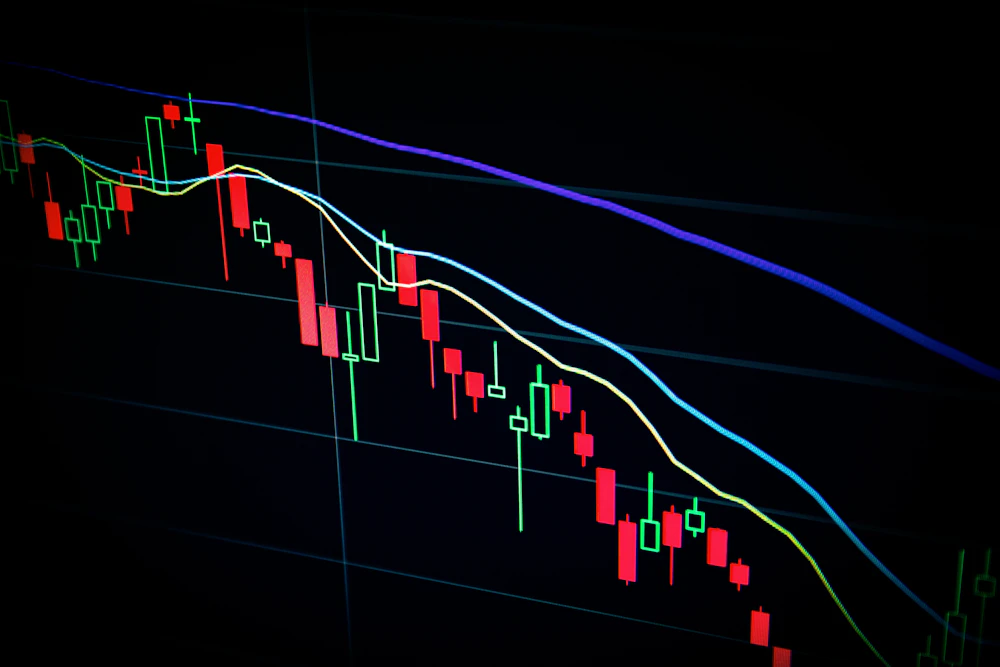
What "Timing the Market" Is Usually Misunderstood To Be
When people criticize market timing, they usually mean: predicting tops and bottoms, jumping in and out frequently, reacting to news and headlines, believing you are smarter than the market. That kind of timing is mostly ego-driven.
Very few people possess perfect foresight, emotional control under stress, and consistent accuracy. This is why reactionary timing fails. But treating all forms of timing as equally foolish is simply not true.
The Market Is Not a Straight Line — And Never Was
Markets move in cycles. Not because humans are stupid — but because humans are human. Fear and greed don't disappear just because we know they exist.
Ignoring cycles doesn't make you long-term. It makes you passive without awareness. The idea that one must either time everything, or time nothing is a false choice. Real investing happens between those extremes.
The Quiet Difference Between "Timing" and "Positioning"
This is where mature thinking begins. Good investors are not obsessed with timing. They are obsessed with positioning.
Positioning means understanding valuations, recognizing excess optimism or fear, adjusting risk exposure gradually, and respecting uncertainty. This does not require predicting exact tops or bottoms. It requires humility.

Why Blind "Buy and Hold" Can Still Hurt
Buy-and-hold works beautifully in textbooks. In real life, investors face job loss, health issues, liquidity needs, and emotional pressure.
Timing Fails Because Humans Chase Certainty
Most people don't time markets because they are strategic. They time markets because they are uncomfortable. They want certainty, confirmation, safety. They buy when things feel safe. They sell when fear becomes unbearable.
Time Is an Ally — But Only If You Stay Solvent and Calm
Long-term investing assumes one thing above all: You survive. Survive emotionally. Survive financially. Survive psychologically.
Time cannot help you if leverage forces you out, fear overrides your plan, or overconfidence blinds you. This is why risk management matters more than slogans. Staying invested through cycles requires preparation — not blind faith.
A More Honest Way to Think About This
Instead of asking: "Should I time the market or stay invested?" Ask better questions: What is my time horizon? What risks can I realistically tolerate? Are expectations unusually high or low? Do I have the emotional capacity to hold through volatility?
The Role of Valuation (Often Ignored)
Valuation is where time and timing quietly meet. Buying at extreme valuations does not invalidate long-term investing — but it changes the journey.
Returns may still come, but patience will be tested, drawdowns will feel personal, expectations must adjust. Ignoring valuation doesn't make you disciplined. It makes you exposed without awareness.
Doing Nothing Is Still a Decision
Many investors believe inactivity equals safety. It doesn't. Doing nothing during bubbles, leverage expansions, and speculative manias is still a choice.
The Most Underrated Skill: Emotional Timing
Here's the uncomfortable truth: Most people don't fail because of poor market timing. They fail because of poor emotional timing.
They rush decisions, seek validation, react under stress. Learning to slow down when emotions rise is more valuable than predicting any market move.
A Practical Mental Framework
Think in layers, not absolutes: Core exposure (long-term holdings you don't touch frequently), Risk awareness (understanding cycles, valuations, and liquidity), Flexibility (willingness to adapt without panic), Patience (comfort with uncertainty).
Why This Conversation Matters
Because slogans create complacency. And complacency is expensive. Markets don't reward laziness disguised as wisdom. They reward process, discipline, and self-awareness.
Time in the market is powerful — but not magical. Timing the market is dangerous — but not always foolish. Understanding the difference is what separates investors from gamblers, discipline from denial, confidence from arrogance.
Note: This article is written strictly for educational and knowledge-sharing purposes. It does not constitute financial advice or investment recommendations. Markets involve risk, and understanding must always come before action.
)