
Most people grow up believing a simple story. If the economy grows, stocks should go up. If GDP is strong, markets should reward investors. It sounds logical. It feels intuitive. And yet, time and again, reality quietly disagrees.
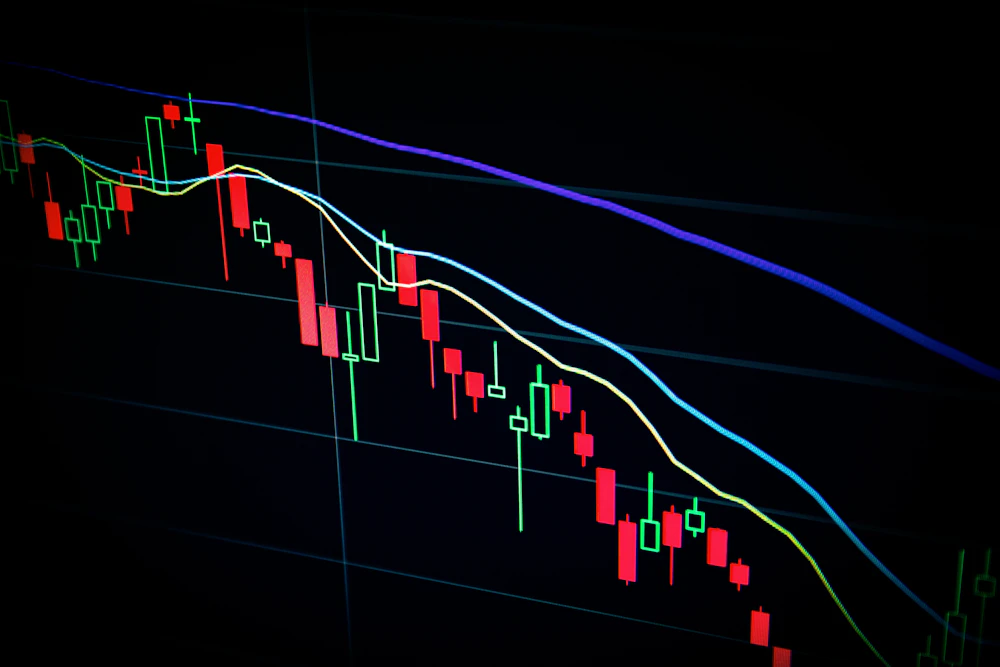
This isn't a flaw in the system. It is the system. To understand markets deeply, you must let go of the comforting idea that economic growth and stock returns are tightly linked. They are related, yes — but they are not married.
The First Illusion: GDP Feels Personal, Markets Are Not
Economic growth is usually measured through GDP. It tells us how much an economy produces and consumes over a period of time.
GDP measures activity, not profitability. Markets don't reward activity. They reward future cash flows.
If growth comes from areas that generate low margins, rely heavily on debt, dilute capital, or benefit non-listed sectors, then shareholders may see very little of that "growth."

Growth Can Be Real, Yet Uninvestable
This is one of the hardest truths for new investors to accept. An economy can grow in ways that are bad for investors.
Consider growth driven by heavy government spending, infrastructure with long payback periods, subsidies and fiscal expansion, or low-return public projects. These may improve employment and output, but they don't automatically improve corporate profitability.
Stock Markets Discount the Future, Not the Present
Economic data is backward-looking by design. GDP tells you what already happened. Inflation numbers describe the past. Employment data arrives with a delay.
Markets, on the other hand, live in the future. Prices move based on expectations, not confirmations.
By the time growth feels obvious, it is often fully priced in. This is why markets sometimes fall during "good times" and rise during "bad ones."
Valuation: The Silent Divider Between Growth and Returns
This is where many intelligent people still get trapped. They assume: "If the economy grows 6–7% every year, stocks should too."
But returns depend not just on growth — but on the price you pay for that growth. If investors already expect strong growth, valuations expand, optimism rises, and multiples stretch. Future returns get pulled forward.

Companies Are Not the Economy
This distinction is subtle, but crucial. Large parts of any economy — informal sectors, small private businesses, agriculture, government services — are not represented in stock markets.
Stock indices reflect large corporations, capital-heavy firms, and globally exposed businesses. Economic growth may benefit areas that markets don't track.
Growth Can Be Dilutive
Here's another uncomfortable truth: Not all growth is good growth.
When companies chase expansion by issuing equity, increasing debt, or cutting prices to gain market share, they may grow revenues while destroying shareholder value.
From the economy's perspective, output rises. From the shareholder's perspective, value per share falls. Markets don't reward size. They reward efficient, sustainable, per-share growth.
The Role of Liquidity and Money, Not Just Growth
Markets are not driven by growth alone. They are deeply influenced by liquidity. Interest rates, credit availability, and central bank policy.
When money is cheap, valuations expand, risk appetite rises, and returns improve. Even modest growth can look attractive.
Emotional Cycles Matter More Than Economic Cycles
Markets are social systems. They reflect fear, confidence, narratives, and collective psychology. Economic growth is slow and structural. Market sentiment is fast and emotional.
Why This Understanding Changes Everything
Once you truly grasp this disconnect, something powerful happens. You stop chasing headlines. You stop reacting emotionally to GDP numbers. You stop assuming "good news" equals "good returns."
A Quiet Truth Most Investors Learn Late
Markets don't exist to reward national progress. They exist to price risk and reward capital. Sometimes those align beautifully. Often, they don't.
Economic growth is something to respect. Stock returns are something to analyze carefully. Confusing the two leads to frustration. Separating them leads to clarity.
Note: This article is written for educational and knowledge-sharing purposes only. It does not constitute financial advice or investment recommendations. Markets involve risk, and understanding comes before action.
