
Why Dividend Yield Is a Psychological Trap
And Why Smart Investors Treat It With Suspicion
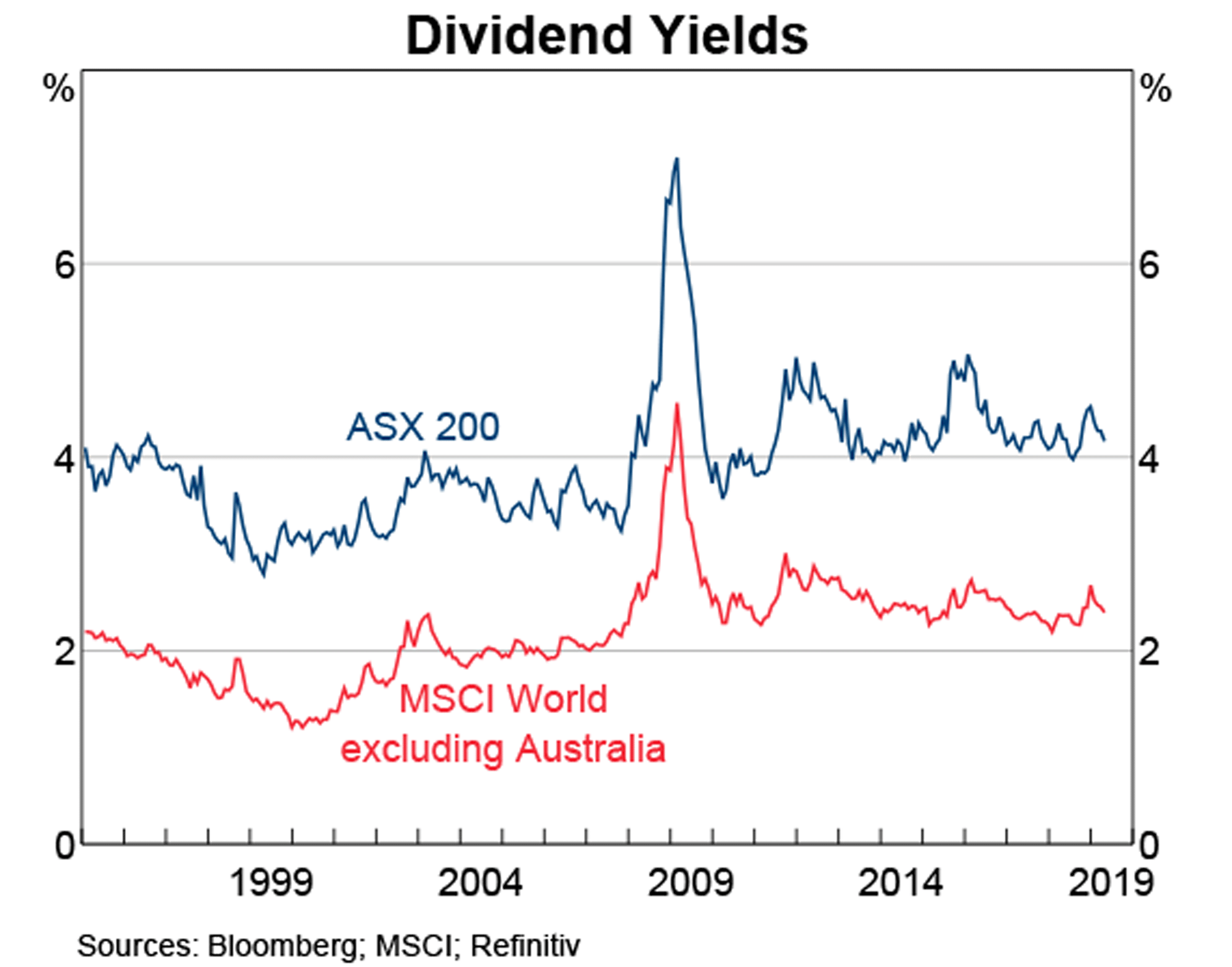
Dividend yield comparisons can be misleading without context
What Dividend Yield Really Is (Not What People Think)
Dividend Yield is a ratio, not a promise. Mathematically, it's defined as:
function calculateDividendYield(annualDividend, currentPrice) {
return (annualDividend / currentPrice) * 100;
}
// Example: $2 annual dividend, $50 stock price
let yield = calculateDividendYield(2, 50); // Returns 4%
This simple calculation doesn't tell you whether the dividend is sustainable, whether the business is growing, or whether shareholder wealth is increasing. Yet investors treat it as a badge of safety.
The Psychological Illusion: "I'm Getting Paid Anyway"
The biggest emotional appeal of dividends is this belief: "Even if the price doesn't go up, I'm still earning something." This feels prudent but ignores a crucial truth: Dividends are not extra money. They are your own capital being returned.
Why the Brain Loves Dividend Yield
Dividend yield taps into three deep psychological biases:
1. Mental Accounting
Investors treat dividends as "income" and price appreciation as "risky gains". Same money, different mental buckets.
2. Loss Aversion
Selling shares feels like admitting a mistake. Receiving dividends feels like validation.
3. Control Illusion
A dividend feels tangible and predictable. Market returns feel uncertain and external.
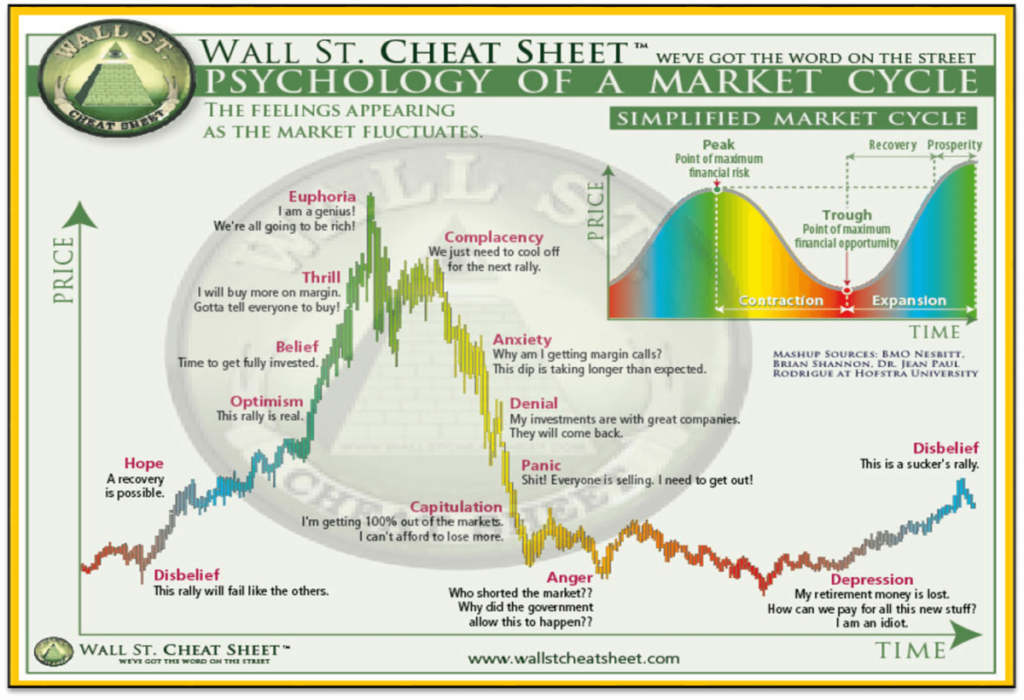
Market psychology affects how we perceive different investment strategies
The High Yield Warning Sign
High dividend yield is frequently caused by a falling share price, not a company's generosity. Let's examine this with code:
function analyzeYieldScenario(dividend, initialPrice, priceChange) {
let newPrice = initialPrice + priceChange;
let initialYield = (dividend / initialPrice) * 100;
let newYield = (dividend / newPrice) * 100;
let yieldChange = newYield - initialYield;
console.log(`Initial Yield: ${initialYield.toFixed(2)}%`);
console.log(`New Yield: ${newYield.toFixed(2)}%`);
console.log(`Yield Change: ${yieldChange.toFixed(2)}%`);
return { initialYield, newYield, yieldChange };
}
// Example: $2 dividend, stock falls from $50 to $40
analyzeYieldScenario(2, 50, -10); // Yield jumps from 4% to 5%
Warning: A "high yield stock" is often a business under stress, a company with limited growth, or worse — a value trap. Yield should never be viewed in isolation.
Dividend Sustainability Analysis
The only dividend question that matters: Where is the money coming from? Let's code a basic sustainability checker:
class DividendSustainability {
constructor(company) {
this.company = company;
}
checkPayoutRatio(eps, dividendPerShare) {
let payoutRatio = (dividendPerShare / eps) * 100;
if (payoutRatio > 80) {
return "Danger: High payout ratio - dividend may be unsustainable";
} else if (payoutRatio > 60) {
return "Caution: Moderate payout ratio";
} else {
return "Sustainable: Conservative payout ratio";
}
}
checkCashFlowCoverage(operatingCashFlow, dividendsPaid) {
let coverageRatio = operatingCashFlow / dividendsPaid;
return coverageRatio > 1.5 ? "Well covered by cash flow" : "Poor cash flow coverage";
}
}
// Usage example
let analyzer = new DividendSustainability("Example Corp");
console.log(analyzer.checkPayoutRatio(3.50, 2.00)); // 57% payout ratio
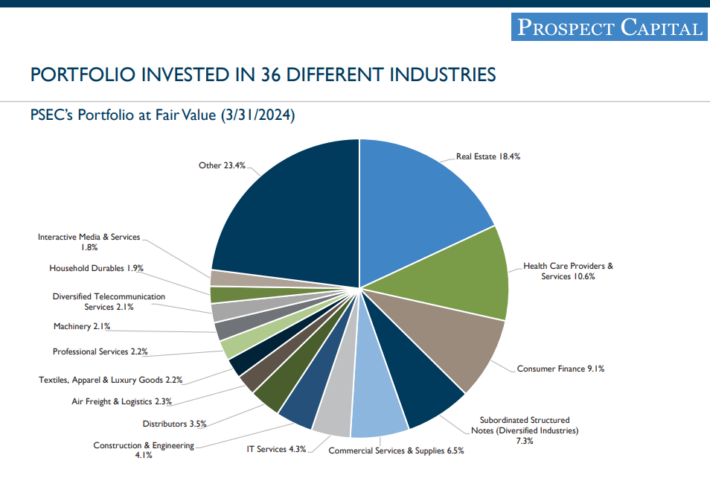
Dividend portfolios require careful analysis beyond just yield numbers
Dividend Yield vs Total Return: The Real Comparison
Let's compare two investment strategies over 20 years using a simulation:
function simulateTotalReturn(initialInvestment, years, dividendYield, growthRate, taxRate) {
let dividendPortfolio = initialInvestment;
let growthPortfolio = initialInvestment;
for (let year = 1; year <= years; year++) {
// Dividend portfolio: yield + modest growth
let dividendIncome = dividendPortfolio * (dividendYield / 100);
let afterTaxDividend = dividendIncome * (1 - taxRate / 100);
dividendPortfolio = dividendPortfolio * (1 + 0.03) + afterTaxDividend;
// Growth portfolio: higher growth, no dividends
growthPortfolio = growthPortfolio * (1 + growthRate / 100);
}
return {
dividendPortfolio: Math.round(dividendPortfolio),
growthPortfolio: Math.round(growthPortfolio),
difference: Math.round(growthPortfolio - dividendPortfolio)
};
}
// Run simulation: $10,000 investment over 20 years
let results = simulateTotalReturn(10000, 20, 5, 10, 15);
console.log(`Dividend Portfolio: $${results.dividendPortfolio}`);
console.log(`Growth Portfolio: $${results.growthPortfolio}`);
console.log(`Difference: $${results.difference} in favor of growth`);
The Psychological Traps of Dividend Investing
| Trap | Description | Code Insight |
|---|---|---|
| Recency Bias | Assuming past dividends predict future payments | Past performance ≠ future results |
| Yield Blindness | Focusing only on yield, ignoring total return | Total return = dividends + capital appreciation |
| Safety Illusion | Believing dividends make a stock safer | Dividend cuts often precede price drops |
| Tax Inefficiency | Ignoring tax consequences of dividend income | Dividends often taxed at higher rates than capital gains |
The Core Mistake: Optimizing for Comfort Instead of Outcome
Dividend yield investing optimizes for emotional comfort, predictability, and familiarity. But investing success depends on capital efficiency, reinvestment returns, and long-term compounding. Markets don't reward what feels good. They reward what scales silently.
A Better Mental Framework
Instead of asking "What dividend yield does this stock offer?", ask these questions that we can quantify with code:
class InvestmentFramework {
constructor(stock) {
this.stock = stock;
}
calculateROIC(netIncome, investedCapital) {
// Return on Invested Capital
return (netIncome / investedCapital) * 100;
}
checkReinvestmentRate(retainedEarnings, netIncome) {
// What percentage of earnings is reinvested?
return (retainedEarnings / netIncome) * 100;
}
estimateFutureValue(currentPrice, expectedGrowth, years) {
// Compound growth calculation
return currentPrice * Math.pow(1 + expectedGrowth / 100, years);
}
}
// Usage: Focus on business quality, not just dividends
let analysis = new InvestmentFramework("Quality Business");
let roic = analysis.calculateROIC(5000000, 25000000); // 20% ROIC
console.log(`ROIC: ${roic}% - Excellent capital allocation`);
Final Thought: The Trap Is Subtle
Dividend yield doesn't fail loudly. It fails politely. It gives you cash, reduces anxiety, and feels responsible. And quietly, over decades, it can cost you compounding. The most dangerous investment mistakes are not the dramatic ones. They are the comfortable ones you never question. Dividend yield is one of them.
)