
The biggest mistake investors make isn’t picking the wrong stock—it’s skipping the process that reveals the truth behind it
Most people don’t lose money in the stock market because they lack intelligence. They lose money because they lack a clear system. They buy stocks based on news headlines, social media hype, “tips” from friends, or worse… pure gut feeling. That’s not investing. That’s gambling.
If you’re serious about building wealth, you need a repeatable framework—something you can apply to any stock, in any market condition. This guide gives you exactly that.
🚀 The 3-Step Stock Evaluation Framework
At its core, every smart investment decision can be broken into three layers:
2. Financial Strength – Are the numbers solid?
3. Valuation & Timing – Is it the right price right now?
Miss even one of these, and your investment becomes fragile. Let’s go deep.
🧠 Step 1: Understand the Business (Not the Stock Price)
Most beginners start with charts. That’s your first mistake. Great investors start with the business itself. Because stock prices follow business performance over time, not hype.

Business Model Canvas
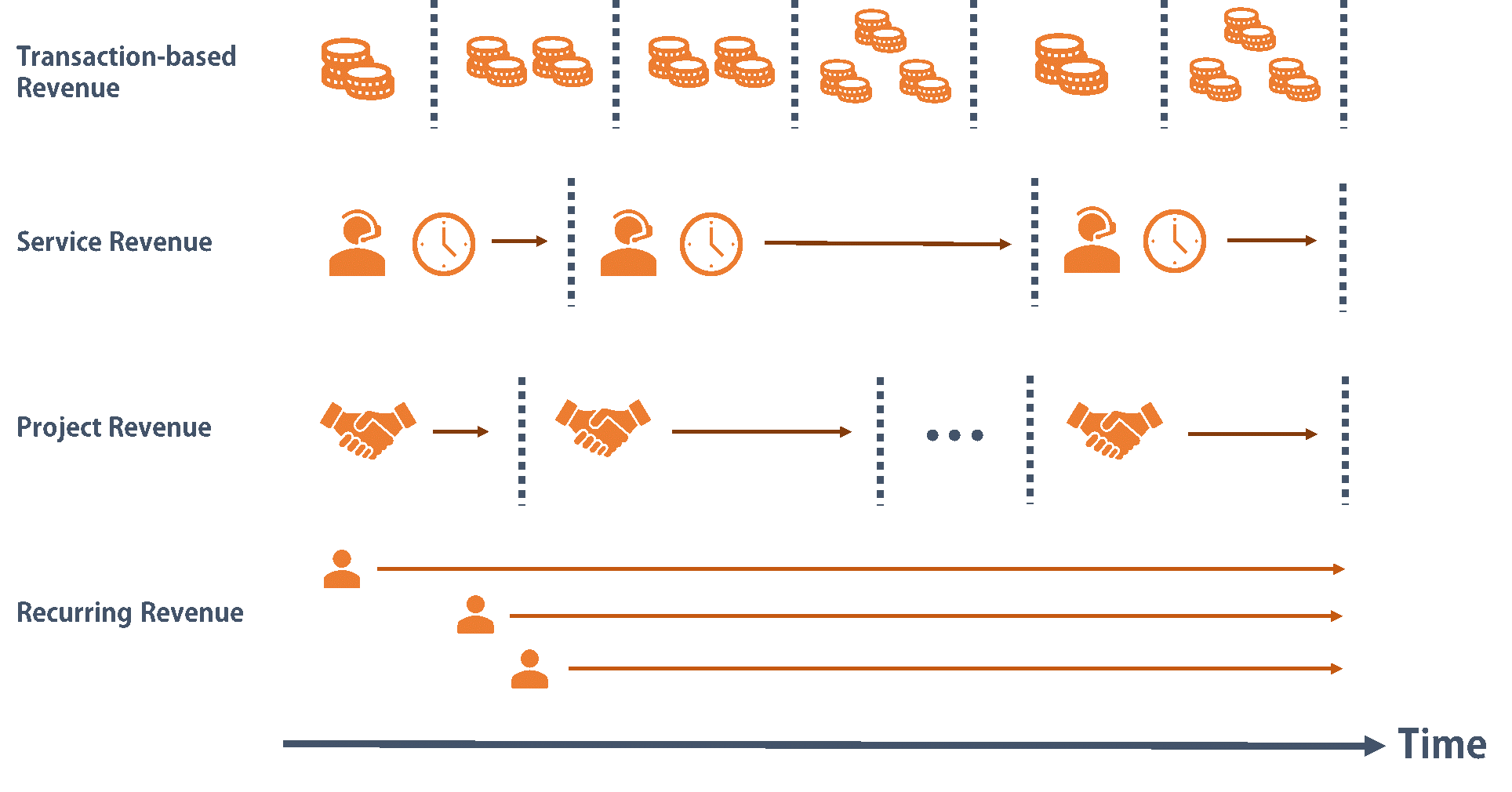
Revenue Stream Types

Competitive Moat

Moat Protection
🔍 Ask These 5 Critical Questions
- 1. What does the company actually do?
- 2. How does it make money?
- 3. Does it have a competitive advantage (Moat)?
- 4. Is the industry growing?
- 5. Who is running the company?
💰 Step 2: Analyze Financial Strength (Numbers Don’t Lie)
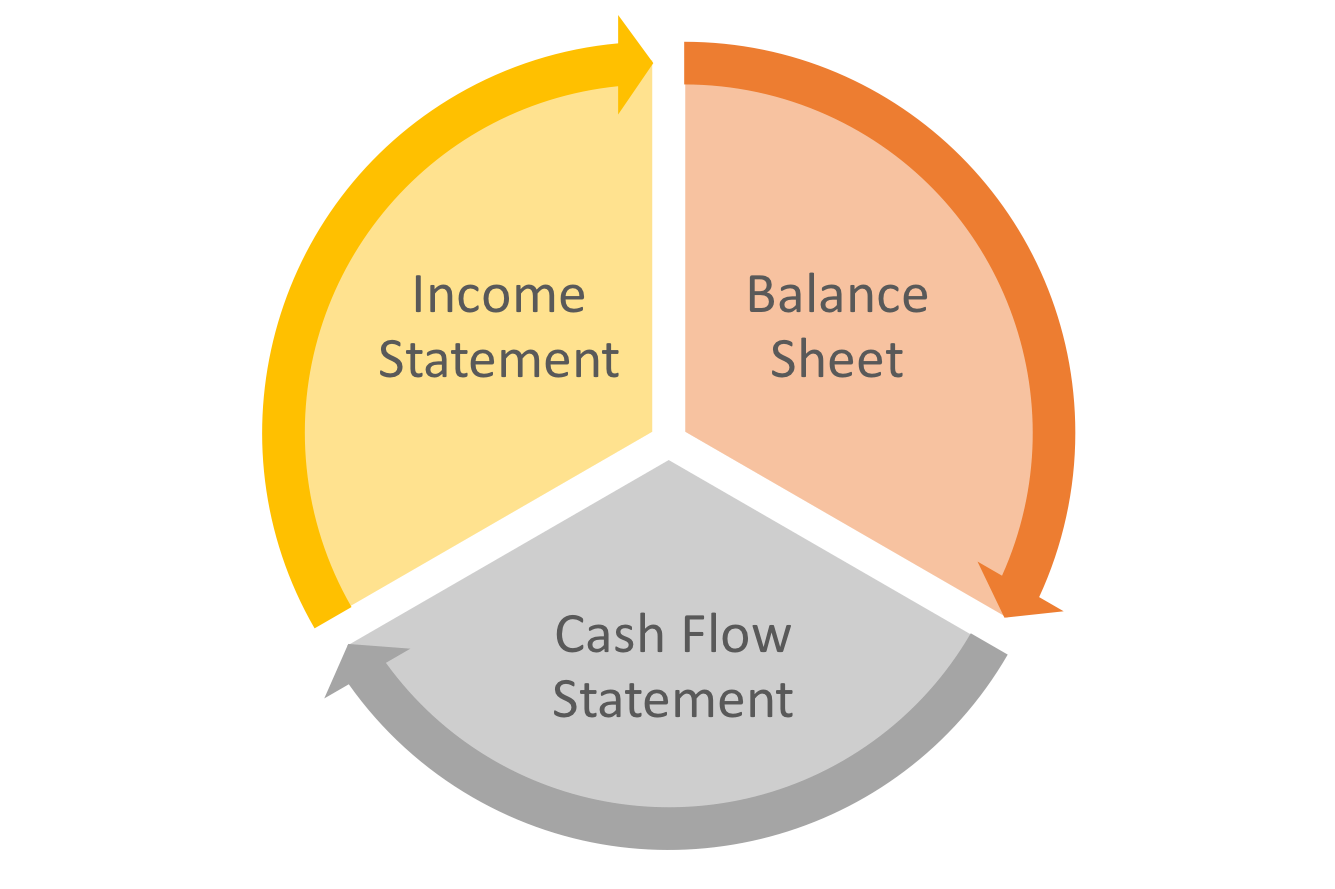
3 Financial Statements

ROE & Valuation

Profit Uptrend

Revenue Growth
📊 Focus on These 5 Metrics: Revenue Growth, Profit Growth, Return Ratios (ROE/ROCE >15%), Debt Levels, Cash Flow.
📉 Step 3: Valuation & Timing (Don’t Overpay)
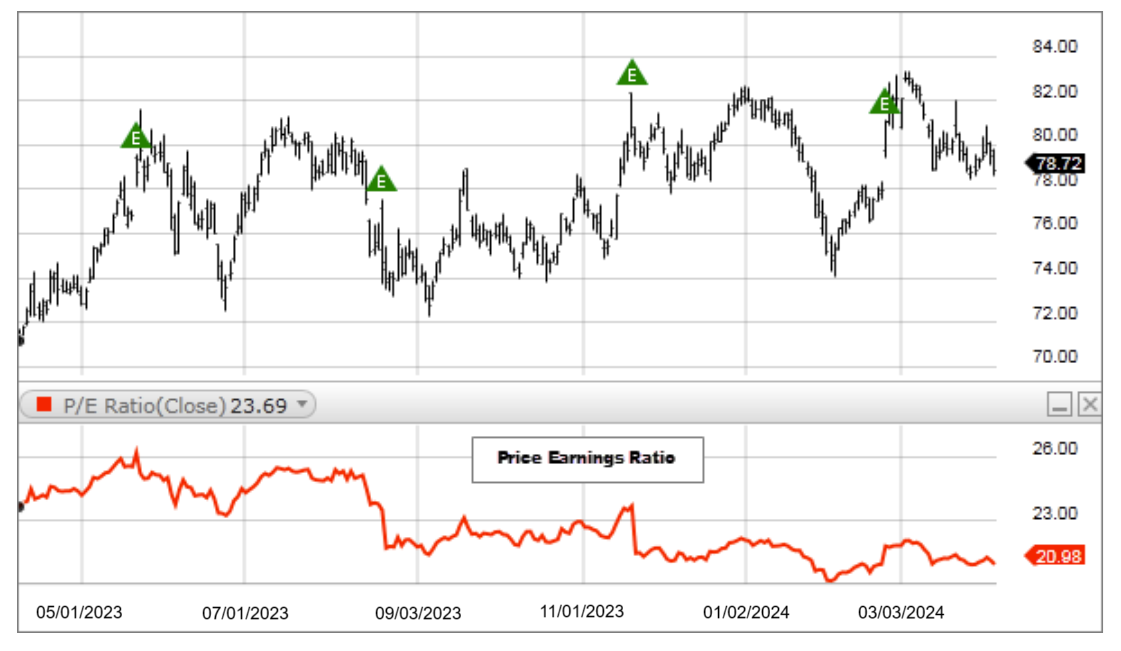
P/E Ratio Guide

Overvalued vs Undervalued

Market Cycles
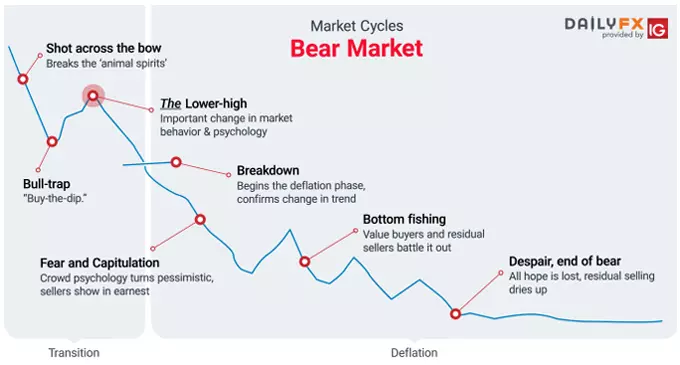
Bear vs Bull
Key valuation tools: P/E ratio, compare with industry, growth vs price. Timing matters: best opportunities when good companies fall due to temporary panic.
🔁 Putting It All Together (The Real Edge)
Step 1: Business — understandable model, strong moat, growing industry, good management.
Step 2: Financials — revenue & profit growth, ROE/ROCE >15%, low debt, positive cash flow.
Step 3: Valuation — not overvalued, reasonable vs peers, bought at right time.
If a stock passes all three → worth considering. If it fails even one → be careful.
🔥 Example Thinking (How Pros Do It)
“This company has strong fundamentals and a growing industry. But valuation is too high. I will wait.” OR “This is a great business temporarily down due to market fear. Financials are intact. This is an opportunity.”
⚠️ Hard Truth You Need to Hear
Most people don’t fail because they don’t know this framework. They fail because they don’t follow it consistently, they get impatient, they chase quick profits. Discipline beats intelligence in investing.
📈 Action Plan (No Excuses Now)
Do this today: Pick 1 company → Analyze using Business, Financials, Valuation → Write your conclusion: Buy / Watch / Avoid. Repeat for 10 companies. That’s how you build skill.
Enter any stock name below, and I’ll give you a smart evaluation based on the 3-step methodology (simulated analysis using our framework logic).
🧠 Final Thought
You don’t need to predict the market. You need to understand businesses, trust data, and control your behavior. That’s it.
A great company at the wrong price is still a bad investment—discipline in valuation separates amateurs from professionals
