
Strong banks aren’t built on profits—they’re built on discipline, capital, and risk control. Basel norms make that non-negotiable.




🏦 Introduction: Why You Should Care About Basel Norms
Most people ignore banking regulations—until something breaks. The truth is simple: Basel Norms are the backbone of global banking stability. Without them, banks could take reckless risks, leading to crises like the 2008 Financial Crisis. If you're an investor, finance student, or content creator in the Indian market, understanding Basel norms gives you a serious edge.
📘 What Are Basel Norms?
Basel Norms are international banking regulations developed by the Bank for International Settlements (BIS) through its committee.
👉 Their main goal: Ensure banks have enough capital · Reduce financial risk · Protect depositors · Maintain global financial stability.
Think of Basel norms as rules that force banks to stay financially healthy—even in bad times.
⚙️ Why Were Basel Norms Created?


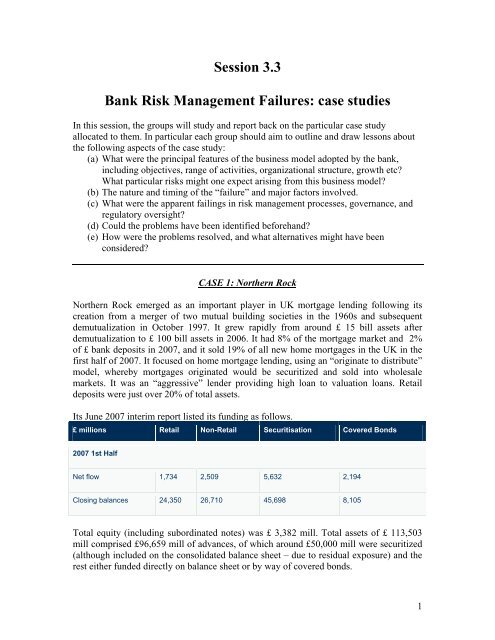

Before these norms, banks often took excessive risks, maintained low capital reserves and collapsed during crises. Example: During the 2008 Financial Crisis, many banks failed because they didn’t have enough capital to absorb losses. Basel norms were strengthened to prevent such disasters from happening again.
🔍 The Evolution of Basel Norms
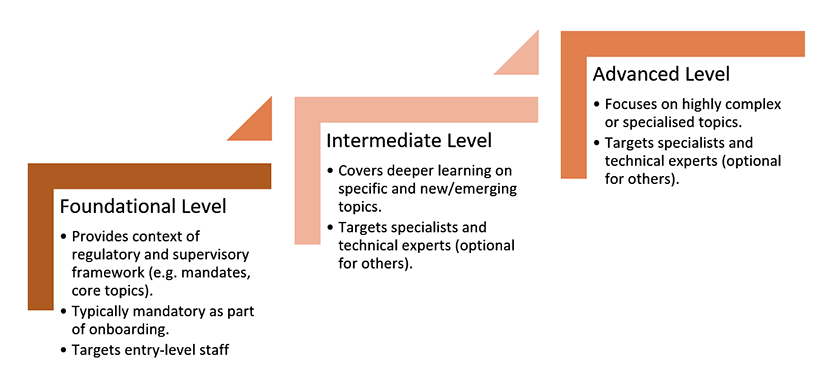
📌 Basel II (2004) – Added operational & market risk · Three pillars approach
📌 Basel III (2010 – Present) – Stronger capital, liquidity management, leverage control → Key for Indian banks (RBI)
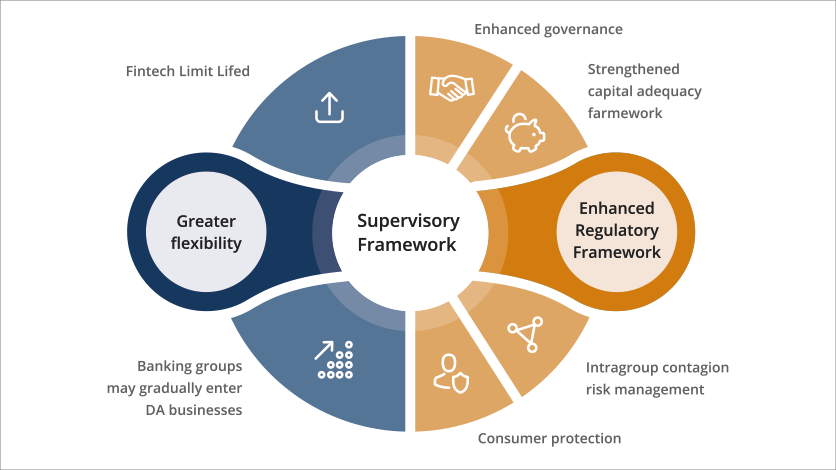
🧱 The 3 Pillars of Basel Norms


💰 Key Concepts You Must Understand
📊 Capital Adequacy Ratio (CAR): Measures bank's financial strength. In India, RBI mandates higher CAR than global minimum.
🏦 Tier 1 vs Tier 2 Capital: Tier 1 = core capital (equity, reserves) absorbs losses first; Tier 2 = supplementary.
💧 Liquidity Coverage Ratio (LCR): Ensures banks survive short-term crises via liquid assets.
⚖️ Leverage Ratio: Prevents excessive borrowing, keeps banks from being “too risky to fail”.
🇮🇳 Basel Norms in India




In India, Basel norms are implemented by the Reserve Bank of India. Indian banks follow Basel III norms with stricter capital requirements than global standards. Major banks like HDFC Bank, State Bank of India maintain strong capital ratios.
⚠️ Why Basel Norms Matter (Real Impact)
✔ Protect Your Money – Depositors safer. ✔ Prevent Bank Failures – reduce collapse chances. ✔ Improve Investor Confidence – stronger banks attract investment. ✔ Stabilize the Economy – stable banking system = stable economy.
📉 What Happens Without Basel Norms?




Without regulations, banks take excessive risks, lending bubbles form, and financial crashes become more frequent. Result: economic instability and loss of public trust.
🚀 Basel Norms & Investors: Hidden Opportunity
When analyzing bank stocks, check CAR ratio, Tier 1 capital, NPA levels. Banks with strong Basel compliance are safer, more stable, better long-term investments.
🔮 Future of Basel Norms
Digital banking, fintech disruption, AI-based risk systems — Basel norms will continue evolving to manage these risks globally.
✍️ Conclusion
Basel norms are the foundation of trust in banking. They ensure banks don't collapse easily, your deposits stay safe, and the financial system remains stable. If you want to grow in finance, investing, or content creation, understanding Basel norms is non-negotiable.
