
Liquidity drives markets—when central banks tighten, opportunities shrink; when they ease, momentum returns
If you’ve been in the market for even a few months, you’ve probably heard terms like money printing, liquidity, or tightening. But most traders don’t fully understand how these actually move the market. At the center of all this are central banks like the Reserve Bank of India and Federal Reserve. They control liquidity using two powerful tools: Quantitative Easing (QE) and Quantitative Tightening (QT). Understanding these is not optional—if you ignore them, you’re trading blind.
📈 What is Quantitative Easing (QE)?


Quantitative Easing is when a central bank injects money into the economy.
👉 How it works: Central bank buys government bonds → pays banks with newly created money → banks have more cash → more lending → more spending. Result: Liquidity increases.
📉 What is Quantitative Tightening (QT)?


Quantitative Tightening is the opposite of QE. The central bank removes money from the system.
👉 How it works: Stops buying bonds OR sells them → money flows back to central bank → banks have less liquidity. Result: Liquidity decreases.
⚖️ QE vs QT: Key Differences
| Factor | Quantitative Easing (QE) | Quantitative Tightening (QT) |
|---|---|---|
| Liquidity | Increases | Decreases |
| Interest Rates | Fall | Rise |
| Market Trend | Bullish | Bearish / Volatile |
| Risk Appetite | High | Low |
| Central Bank Action | Buying bonds | Selling bonds |
🧠 Why Traders Must Care
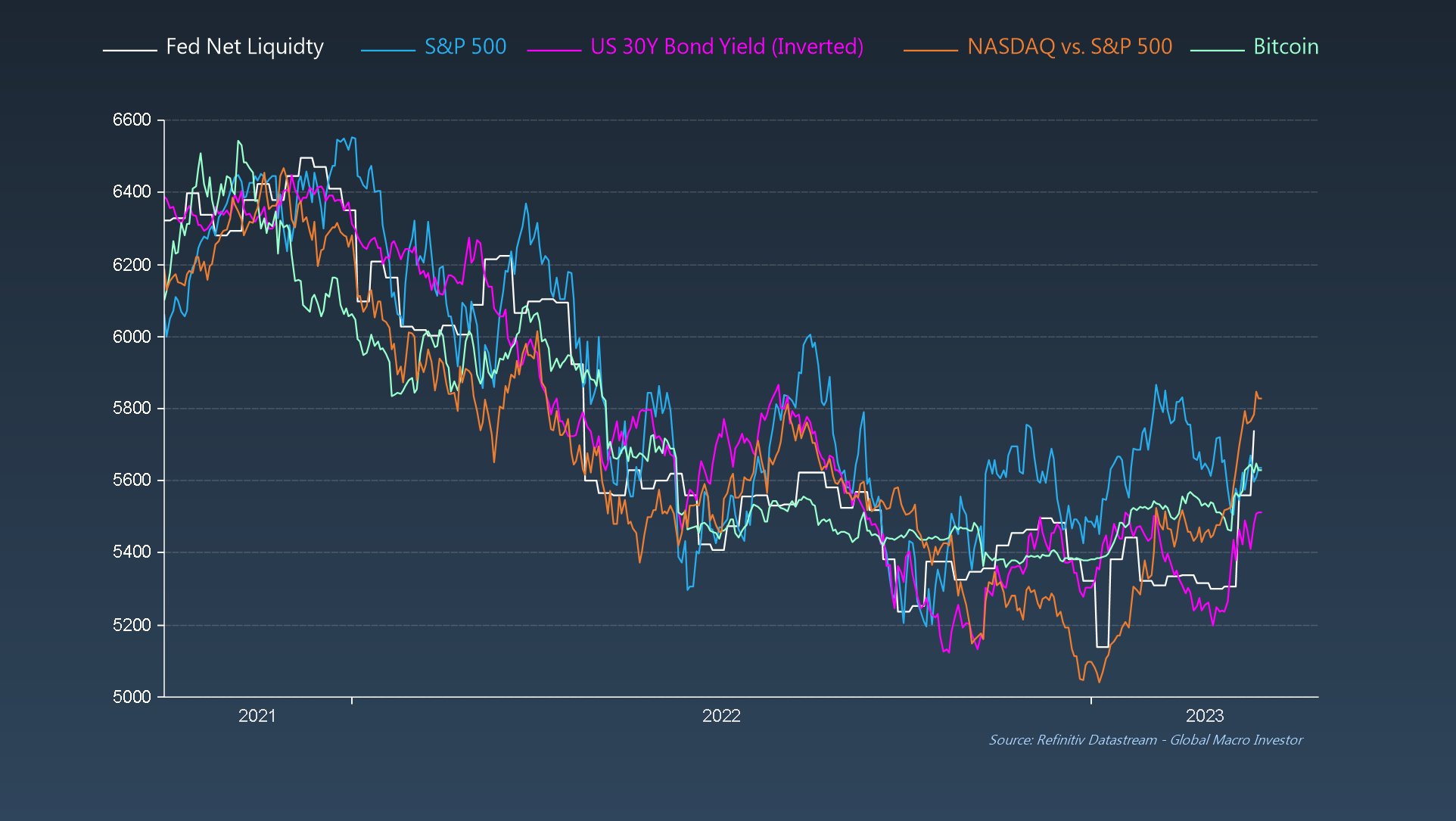
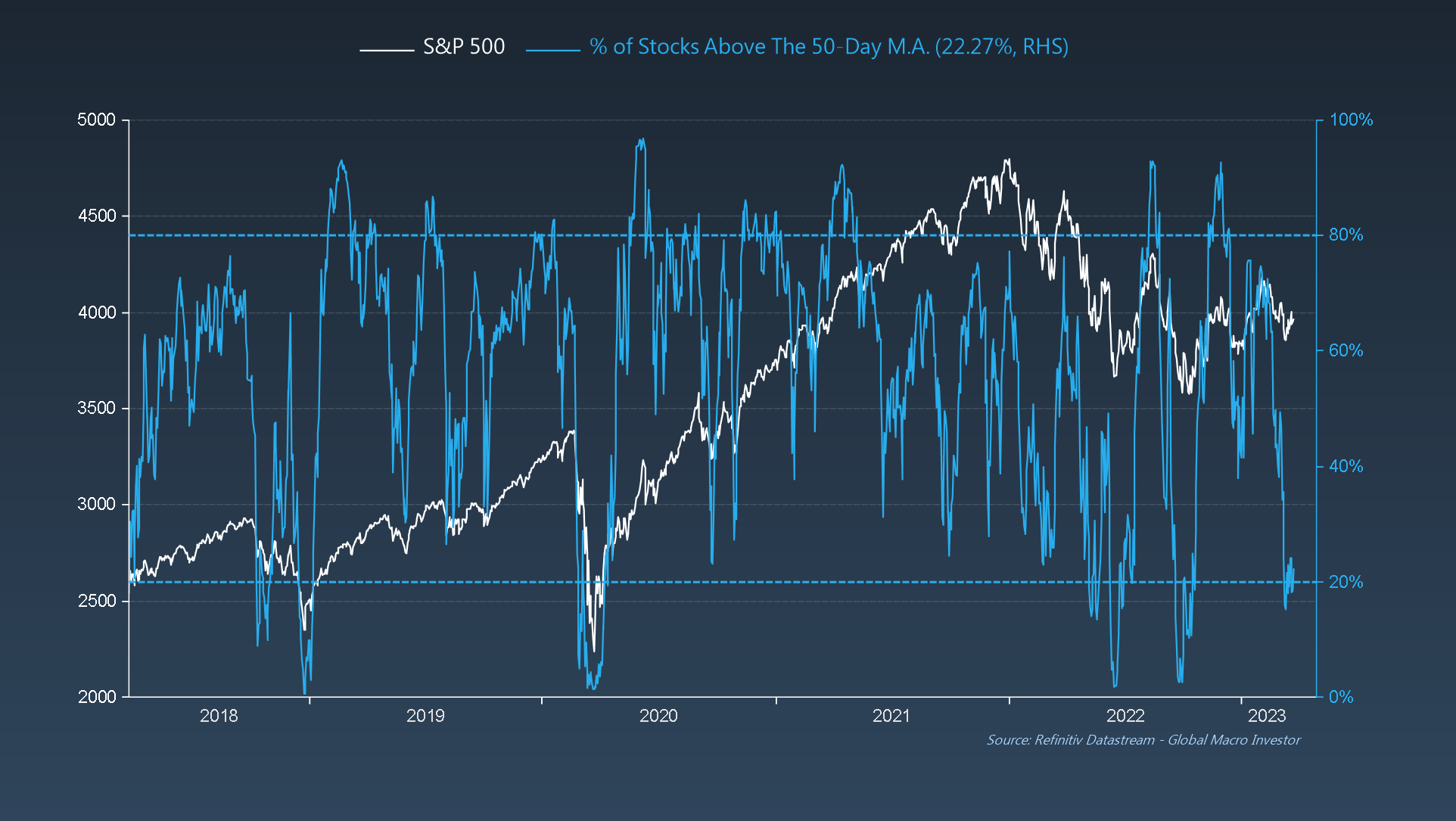
Here’s the mistake most beginners make: they focus only on charts and indicators … but ignore liquidity, which actually drives the market. 👉 Reality: Liquidity > News > Technicals. During COVID, Federal Reserve injected massive liquidity (QE) and global markets rallied sharply. Later, QT started to control inflation → markets turned volatile and corrected. Same pattern applies in India via Reserve Bank of India policies.
📊 How to Use This as a Trader
1. Identify the Liquidity Phase: Ask: Is central bank injecting money (QE) or withdrawing it (QT)? 👉 This sets your bias.
2. Adjust Your Strategy: During QE → buy dips, focus on growth stocks, ride trends longer. During QT → protect capital, trade shorter moves, avoid over-leverage.
3. Watch Key Signals: Central bank announcements, bond yields, inflation data. These give early clues of QE → QT shift.
QE doesn’t just affect stocks. It impacts real estate 🏠, Gold 🪙, Crypto 💻. QT affects all of them too. 👉 That’s why sometimes everything falls together.
⚠️ Common Mistakes Traders Make
Let’s be direct: Ignoring macro trends ❌ | Overtrading during QT ❌ | Blindly buying dips in tightening phase ❌. This is how traders lose money consistently.
🎯 Final Thoughts
Quantitative Easing and Tightening are not “theoretical concepts.” They are the backbone of market movement. If you understand liquidity, you stop fighting the market, start aligning with it, trade with clarity instead of confusion.
✅ Conclusion
Markets don’t move randomly. They move based on money flow—and central banks control that flow. So next time you take a trade, ask yourself: 👉 “Is liquidity supporting this move?” If not, you’re gambling—not trading.
