Digital Rupee (CBDC) — Future of Money in India | Investor Guide
🇮🇳 Digital Rupee (CBDC): Future of Money in India? A Complete Investor & Trader Guide
⚡ Structural shift led by RBI | Central Bank Digital Currency — early-stage disruption
CBDC visual overview
State adoption pilots
RBI issued digital cash
Legal tender e₹
📊 What Is Digital Rupee (CBDC)?
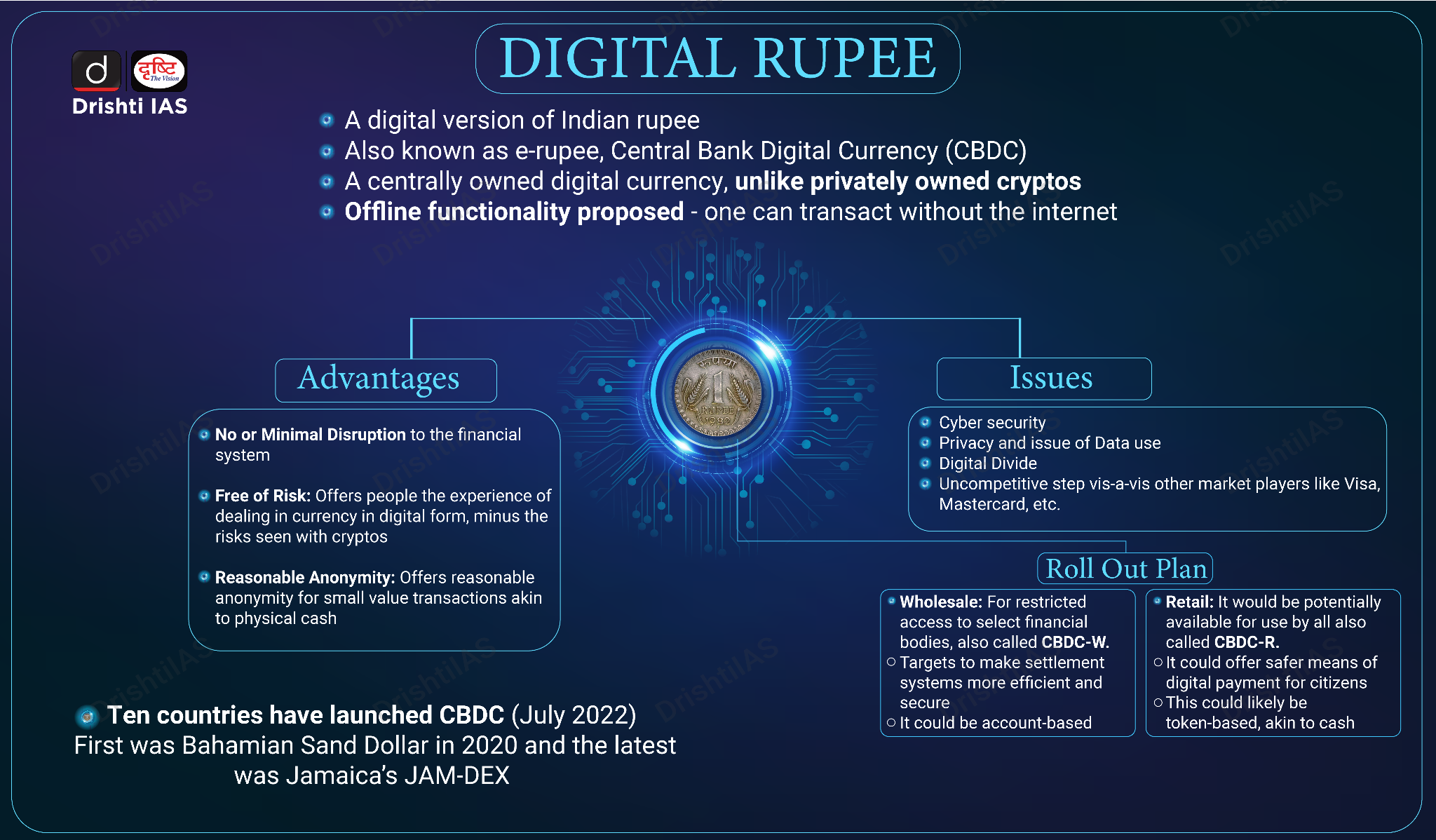
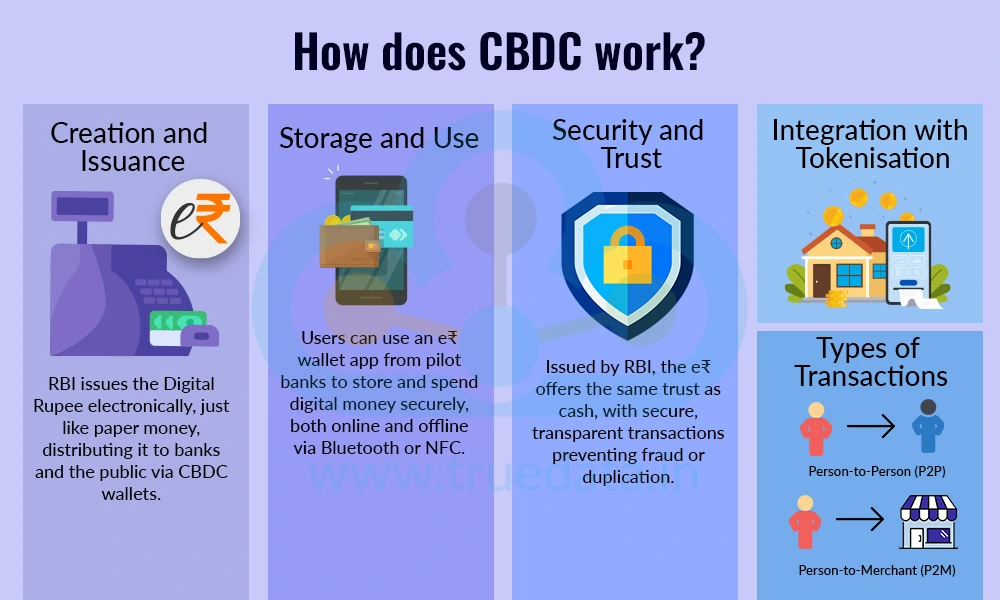
The Digital Rupee (e₹) is a digital version of physical cash issued directly by RBI. Unlike UPI or wallets that rely on private intermediaries, the Digital Rupee is central bank money — legal tender just like banknotes. In simple terms: it's like holding cash, but in digital form.
🔹 Issued & backed by RBI Full sovereign guarantee, zero credit risk.
🔹 Legal tender (same as ₹ cash) Everyone must accept it for transactions.
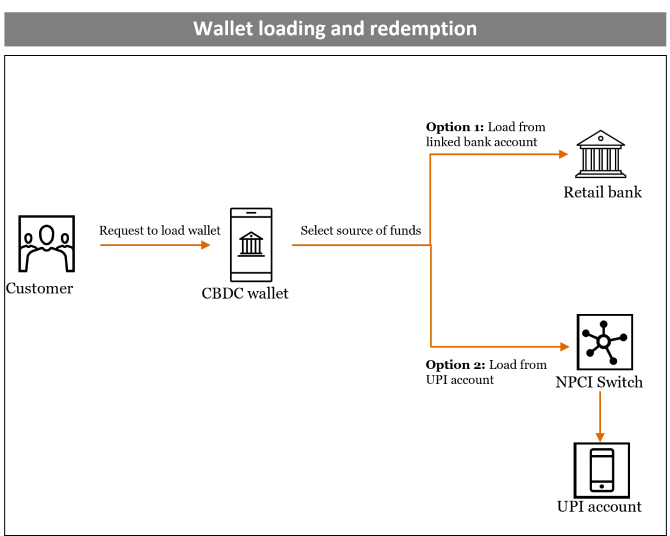
🔹 Stored in digital wallets RBI-provided or partner apps.
🔹 Works without bank dependency Peer-to-peer, no intermediary required.
⚙️ How Digital Rupee Works
Retail & wholesale flows
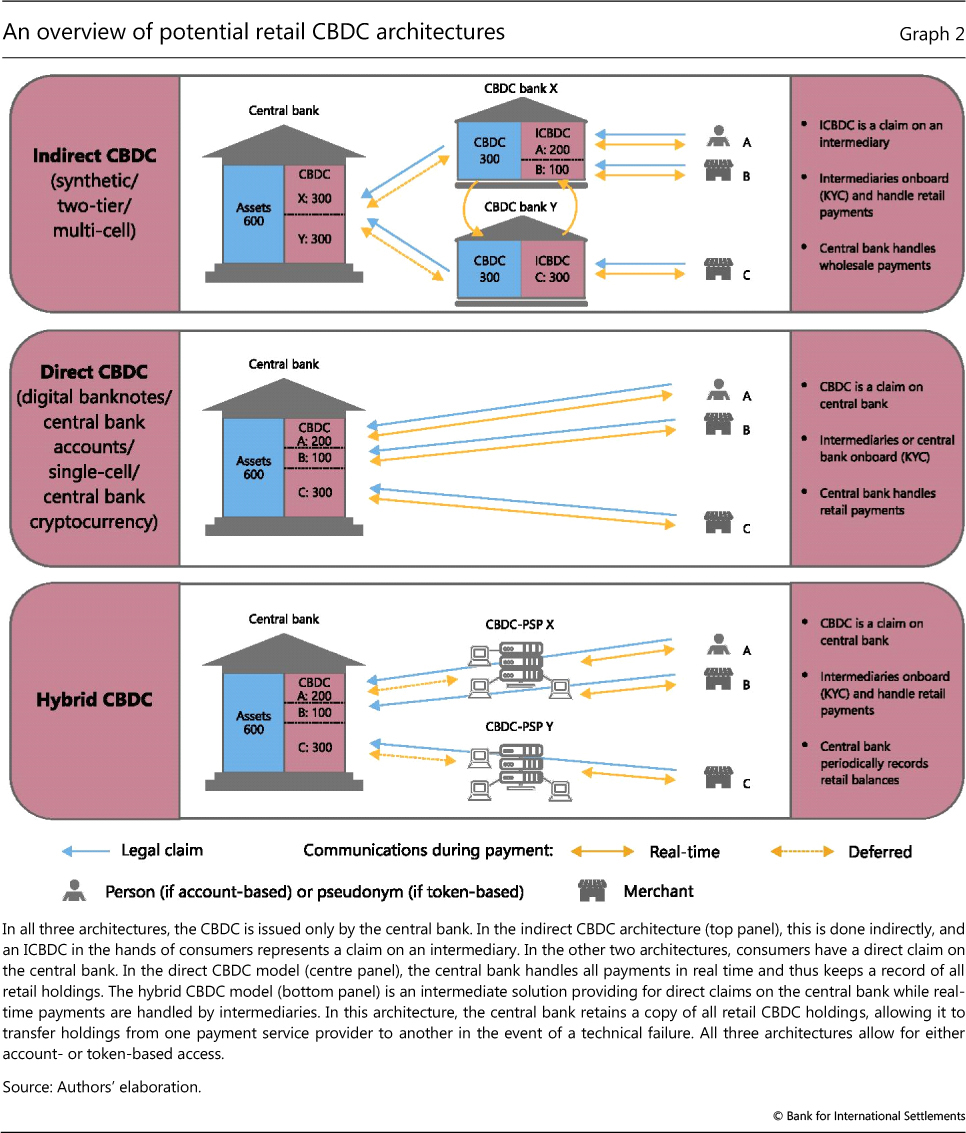
Two-tier system (BIS)
Token based digital cash
RBI retail pilot
🔹 Retail CBDC (e₹-R) → For public use, works like digital cash, peer-to-peer transactions. 🔹 Wholesale CBDC (e₹-W) → For interbank settlements, improves efficiency in large-value transfers.
💡 Why RBI Is Launching Digital Rupee
🔥 1. Reduce Cash Dependency Lower cost of printing, transport, and counterfeiting risks.
🔐 2. Better Control Over Money Supply Real-time visibility & monetary policy effectiveness.
🌍 3. Compete with Cryptocurrencies Provide stable, government-backed alternative to volatile private crypto.
📈 4. Financial Inclusion Direct access to digital money for unbanked population.
⚔️ Digital Rupee vs UPI vs Crypto
CBDC vs crypto vs UPI
UPI moves money, CBDC is money
Global CBDC trends
Stable vs volatile
Parameter
Digital Rupee (CBDC)
UPI
Crypto (Bitcoin/Eth)
Issuer
RBI (Central Bank)
NPCI + Banks
Decentralized network
Legal status
Legal tender
Payment system
Not legal tender in India
Volatility
Stable (₹ pegged)
Stable (fiat transfer)
High volatility
Nature
Digital form of cash
Payment rails
Speculative asset
📉 Impact on Banking System
🏦 1. Reduced Role of Banks? People may hold RBI wallets → potential deposit outflows.
💸 2. Faster Transactions No intermediaries, instant settlement reduces friction.
⚠️ 3. Risk of Disintermediation Could disrupt traditional lending models if large deposit shifts occur.
📊 Impact on Stock Market & Traders
Market implications
RBI strategy
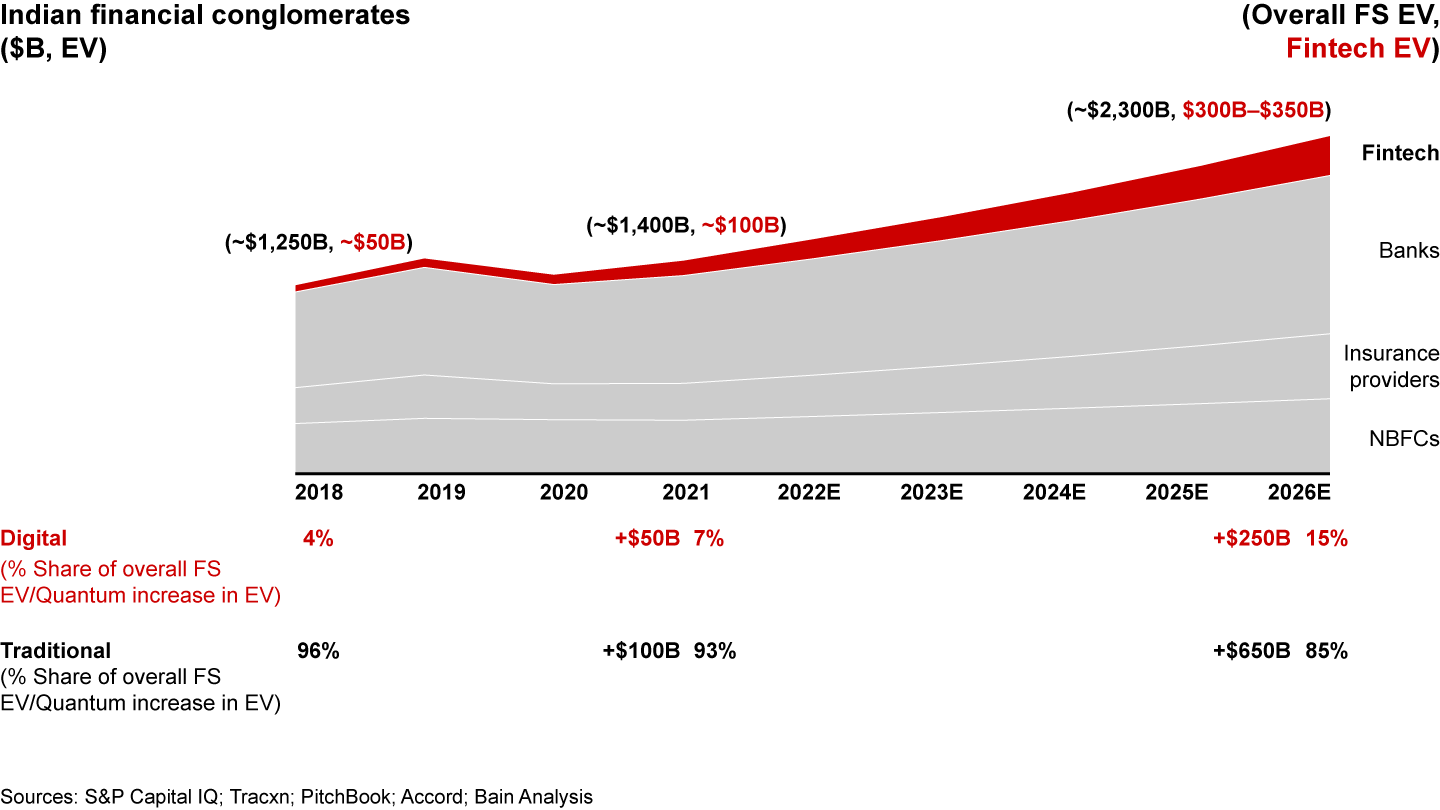
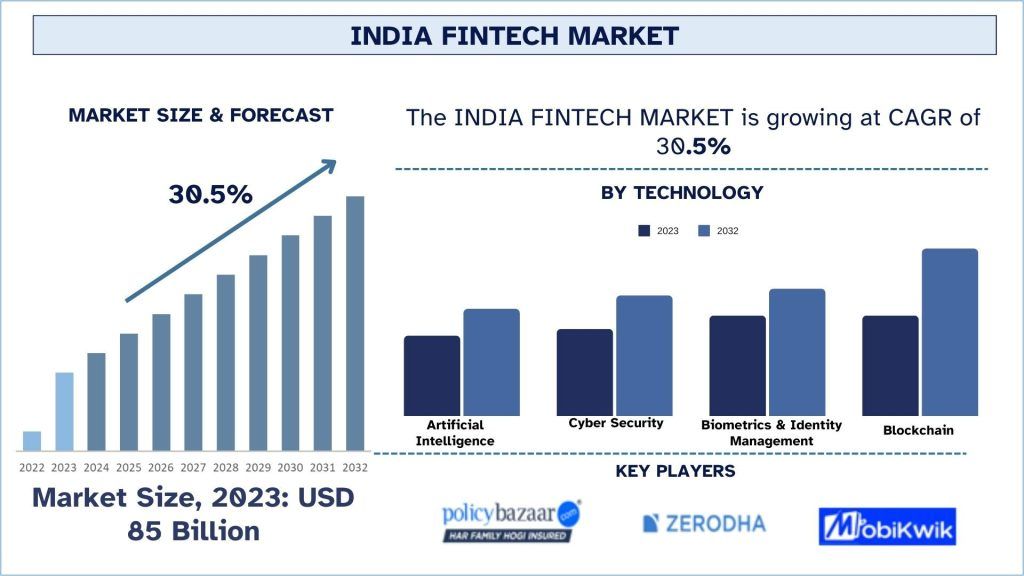
Fintech boom potential
Market expansion
🔥 Fintech Boom: CBDC adoption boosts innovation & new business models.
🏦 Banking Sector Pressure: Lower deposits & structural changes ahead.
📈 Market Transparency: Traceable digital money flow improves efficiency.
⚡ Faster Monetary Transmission: RBI policies reflect quickly in liquidity.
🧠 Hidden Insight (Most People Miss This)
CBDC is not just about payments — it’s about control + programmability of money. Future possibilities: targeted subsidies, conditional payments, real-time taxation. This changes how money behaves.
🚀 Challenges & Risks
⚠️ Privacy Concerns Transactions traceable; less anonymity vs cash.
⚠️ Cybersecurity Risks Digital systems prone to hacking threats.
⚠️ Banking Disruption Structural instability possible in transition.
📌 Is Digital Rupee the Future of Money in India?
Short answer: Yes — but gradually. Pilot phase (Now–3 years) limited adoption → Mid-term (3–7 years) wider integration → Long-term (10+ years) major monetary shift, reduced cash reliance.
🧩 Final Takeaway: Digital Rupee is a structural financial upgrade, a policy tool for RBI, and a signal of future systems. Understand it early → positioning advantage. Ignore it → react late.
🧠 One-Line Insight:“CBDC is not just digital money—it’s programmable economic power.”






?)